ARTES would like to remind all that today, June 15th, 2023, is the last day to register – both for online and in-person attendance – to the Emerging Researchers Symposium, at Durham University. This year’s theme is
MOVEMENTS AND TRANSFORMATIONS IN THE MAKING OF IBERIAN AND LATIN AMERICAN ART AND VISUAL CULTURE
Join us as 20 speakers from 17 academic institutions explore the theme of movements and transformations in Iberian and Latin American art, architecture, and visual culture from the late middle ages to the present day. The topics are wide-ranging, from the physical movement of artists and artworks across different regions to the transformative power of art and architecture in the forging of identities. The papers address important questions relating to the circulation of art, art theory, and artefacts across time and space; changing constructs of identity (social, religious, political etc.); appropriations of traditions across different media and societies; artistic agency and innovation; and cultural translation. Opportunities for questions and answers will follow the presentations. The aim is to stimulate conversations and connections among emerging scholars engaged in the field ofIberian and Latin American art and visual culture.
The symposium begins with an opening address by José María Robles Fraga (Embassy of Spain) and features a keynote by Prof. Claudia Hopkins (Director of the Zurbarán Centre).
Monday 10th July – Visit at 11 am to see Young Picasso in Paris exhibition at the Guggenheim Museum.
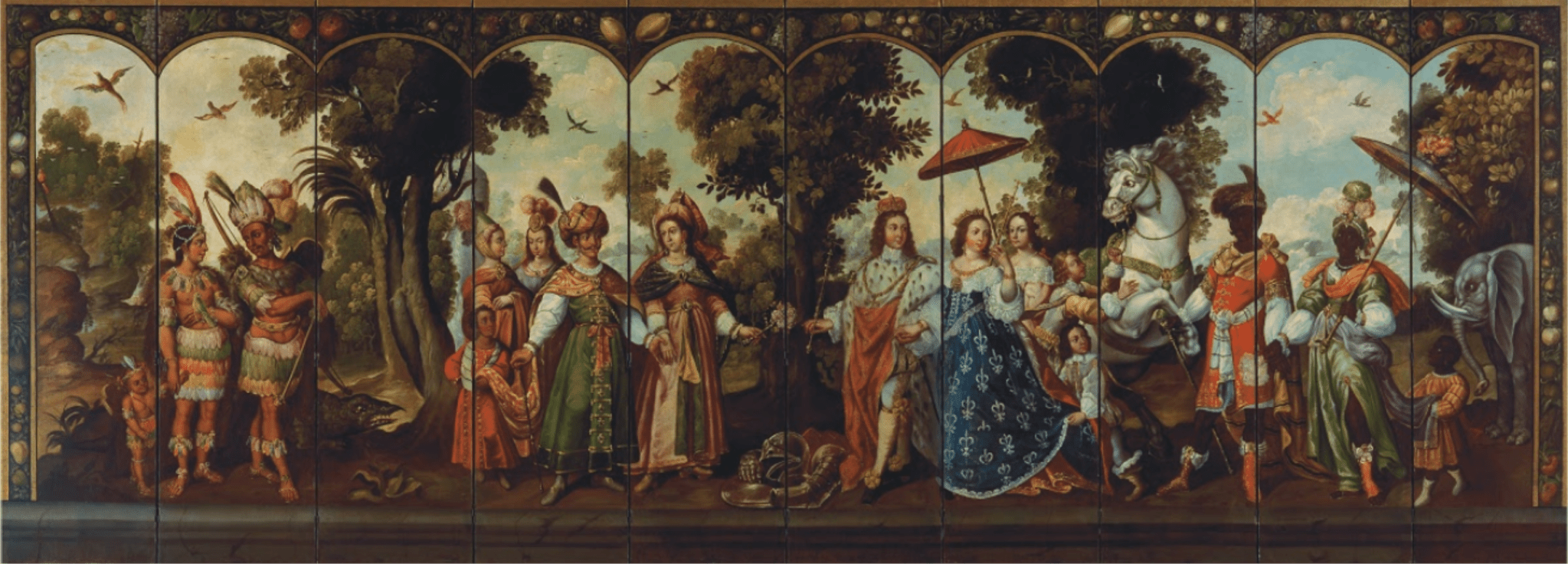
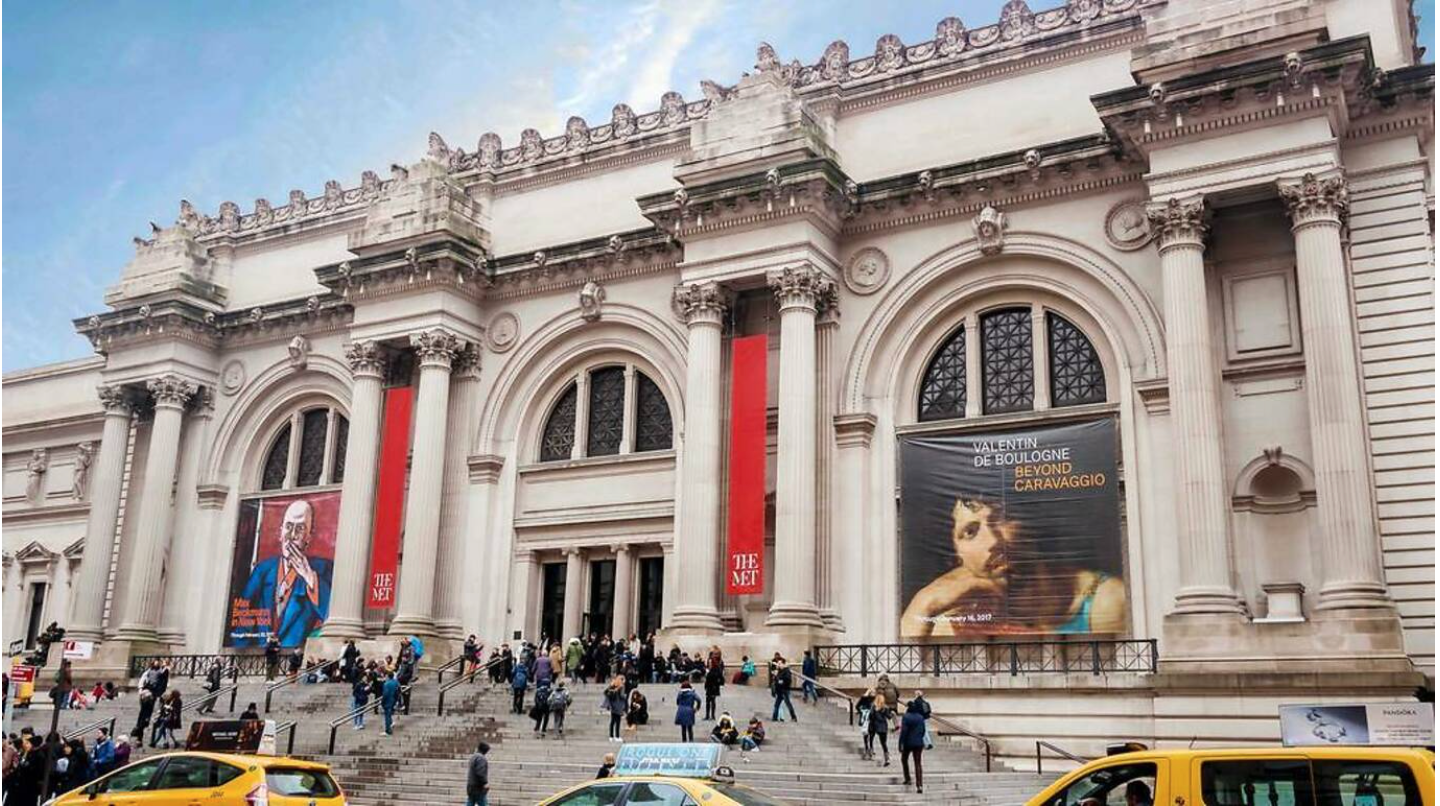
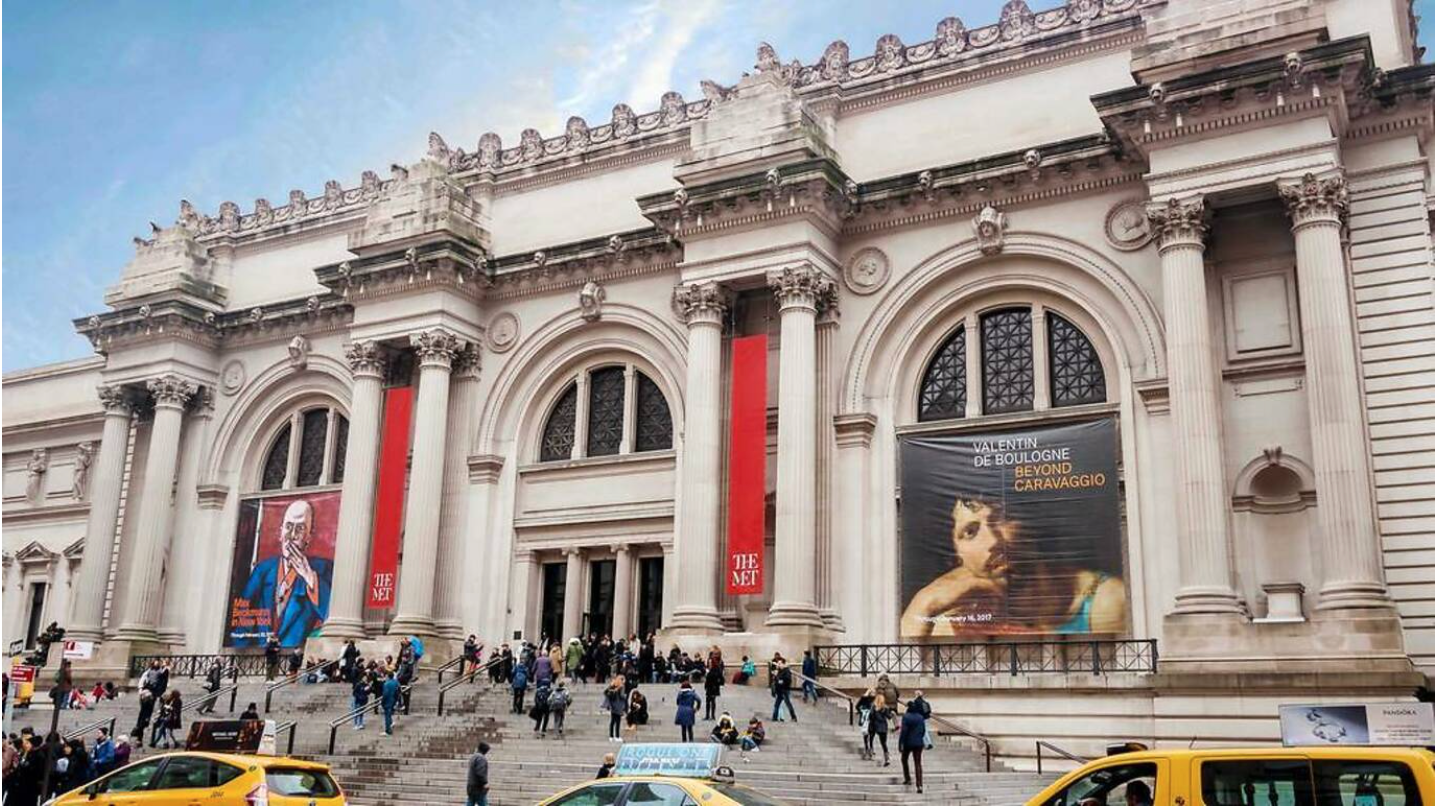
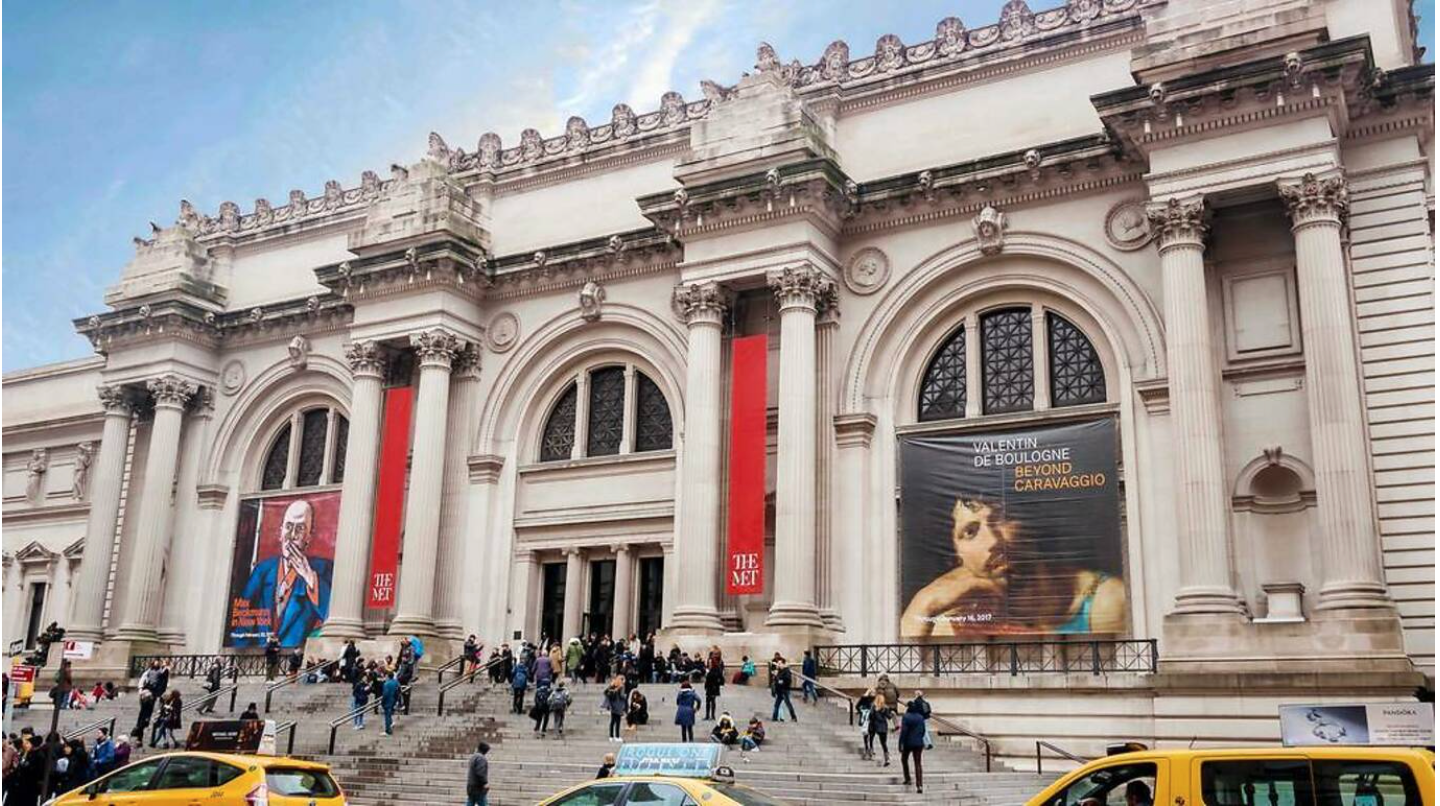
Tuesday 11th July – Visit Metropolitan Museum of Art: 11.30 am to see Senior Curator Ronda Kasl (Latin American collections); and 2 pm David Pullin (Curator of the Juan de Pareja exhibition).
Wednesday 12th July – Visit at 10 am Brooklyn Museum of Art with Nancy Rosoff to see Latin American and other collections.
Thursday 13th July – Visit at 11 am The Hispanic Society of Art where Patrick Lenaghan will show us prints and photographs.
**Please note that the MET is closed on Wednesdays, while the Brooklyn Museum closes Mondays and Tuesdays.
We kindly ask that those interested in joining us, please let Dr. Holly Trusted (marjorie.h.trusted@gmail.com) know as soon as possible.
ARTES members will need to apply for an ESTA visa waiver, NOT a visa, which is much more expensive. You can find the link here.
Durham University, June 22nd and 23rd, 2023. Venue: Birley Room, Hatfield College, North Bailey, Durham, DH1 3RQ
On 22 and 23 June 2023, the Zurbarán Centre at Durham University will host its third student-led symposium showcasing innovative doctoral and early career research in Iberian and Latin American art and visual cultures.
20 speakers from 17 academic institutions explore the theme of movements and transformations in Iberian and Latin American art, architecture, and visual culture from the late middle ages to the present day. The topics are wide-ranging, from the physical movement of artists and artworks across different regions to the transformative power of art and architecture in the forging of identities.
The papers address important questions relating to the circulation of art, art theory, and artefacts across time and space; changing constructs of identity (social, religious, political etc.); appropriations of traditions across different media and societies; artistic agency and innovation; and cultural translation. Opportunities for questions and answers will follow the presentations. The aims if to stimulate conversations and connections among emerging scholars engaged in the field of Iberian and Latin American art and visual culture.
The symposium begins with an opening address by José María Robles Fraga (Embassy of Spain) and features a keynote by Prof. Claudia Hopkins (Director of the Zurbarán Centre).
Organised by Durham University doctoral students, the symposium is held as a hybrid event with in-person attendance at Hatfield College at Durham University and virtual attendance via Zoom.
For those coming in person and able to spend more time in Durham, we will be arranging a visit to the Spanish Gallery in Bishop Auckland on Wednesday, 21st June. Details will be provided closer to the event.
Booking is essential by 15 June 2023.Register to event here
Please see below for the programme of the Emerging Researchers Symposium 2023 or click here
SCHEDULE
Thursday 22 June 2023 09.30-10:00 Registration
10:00-10:25 Welcome by Richard Jacques (PhD candidate, Zurbarán Centre, Durham University).
Opening Remarks by José María Robles Fraga, Minister-Counsellor for Cultural and Scientific Affairs, Embassy of Spain.
10:20-12:30 Panel One – Art in Motion: Moving Artworks and Artistic Practices
10.25-10.45 Nora Guggenbühler (University of Zurich, Switzerland), The Travels of the Madonna di Trapani: Records of a Miraculous Image’s Journey through the Iberian World (in person).
10.45-11.05 Stephanie Bernard (Durham University, UK), Juan Sánchez Cotán’s Adoration of the Magi. Between Tradition and Innovation (in person).
11.05-11.25 Q&A
11.25-11.45 Rafael Japón (Universidad Autónoma de Madrid, Spain), Flemish Paintings by an Italian Painter: The Decoration of the Cloister of the Monastery of San Agustín in Lima (in person).
11.45-12.05 Annemarie Iker (Princeton University, USA), Secrecy in the Paris Paintings of Santiago Rusiñol (1861-1931) and the Catalan Modernistes (in person).
12.05-12.30 Q&A
12:30-1:30 Lunch Break
1:30-2:55 Panel Two – Art and the Transformation of Iberian Identities (Online)
1:30-1:50 Vega Torres Sastrús (Universitat de València, Spain), Transformations in and through the Arts. Catholicism and Visual Culture in the Spanish Second Republic (1931-1936) (online).
1:50-2:10 Paola Setaro (Fondazione 1563 per l’Arte e la Cultura della Compagnia di San Paolo, Italy), From Painter of Friars to Painter of the Soul. The Gaze on Zurbarán in Francoist Spain (online).
2:10-2:30 Andrea Garcés Galarreta (Universidad Complutense de Madrid, Spain), From Equipo Realidad (1966) to Nueva Escuela Valenciana (circa 1980). De-sacralising Visual Practices on the Post-Francoist Spanish Mediterranean Coast (online).
2:30-2:55 Q&A
2:55-3:15 Break
3:15-4:40 Panel Three – Jewish Identity in the Hispanic World (In person)
3:15-3:35 Laura Feigen (The Courtauld Institute of Art, UK), Exodus and Expulsion: the Barcelona Haggadah as a Material Witness to Sephardi Migration 1391-1459 (In- person).
3:35-3:55 Jorge Oliaga Vázquez (University Autónoma of Madrid, Spain), The Old Testament in Seventeenth-Century Spanish and Novo-Hispanic Painting: Circulation of Models and Ideas in the Modern Age (in person).
3:55-4.15 Drew Erin Becker Lash (University of California, USA), Jacob and Intertextuality: Old Testament Images in Seventeenth-Century Spain (in person).
4:15-4.40 Q&A
4:40-5:00 Break
5:00-5.50 Keynote : Professor Claudia Hopkins (Director of the Zurbarán Centre, Durham University, UK), The Orient Within. Nostalgia for the Alhambra in Franco’s Spain around 1950 (in person).
Friday 23 June
10:00-12:10 Panel Four – Re-imagining the Artistic Cultures of the Past.
10.00-10.20 Montserrat Andrea Báez Hernández (University of Teramo, Italy) “Per metterlo in venerazione nel lontano paese…” Translation, Reception and Devotion of Roman Catacomb Martyrs in Latin America(1830-1880) (online).
10.20-10.40 Richard Jacques (Durham University, UK), Zurbarán’s Image of Saint Serapion and the Transformation of a Body in Pain (in person).
10.40-11.00 Q&A
11.00-11.20 Pablo Sánchez Izquierdo (Universitat de València, Spain), The Vernacular Moroccan Construction and the Spanish Modern Architecture Theories (online).
11.20-11.40 Élodie Baillot (Sorbonne Université, France), From One Century to Another: French Historiography and the Fortune of « Hispano-mauresque » Art (in person).
11.40-12.00 Q&A
12.00-1.00 Lunch Break
1:00-2:25 Panel Five – Expressions of Power: Art and Politics in the Americas
1:00-1:20 Alexis Salas (University of Arkansas, USA), “¡Dále Gas! [Give It Gas!]: Art and Oil in The Petrochemical Americas (in person).
1:20-1:40 Francesca Romana Gregori (University of Padua, Italy), “Antimonumenta” Artistic Practice in Feminist Mexico (online).
1:40-2:00 Alessandra Simões Paiva (Federal University of Southern Bahia, Brazil), Revolution from the Margins: The Decolonial Turn in the Brazilian Contemporary Art (in person).
2:00-2:25 Q&A
2:25-2:45 Break
2:45-4:05 Panel Six – Innovative Artforms and Artistic Agency
2:45-3:05 Ana Plaza Roig (Universidad Nacional de Tres de Febrero AGENCIA I+D+i/UNTREF, Argentina), A Saint Prince in Northwest Argentina: The Patronage of Juan José Fernández Campero de Herrera (online).
3:05-3:25 Julieta Pestarino (4A Laboratory: Art Histories, Archaeologies, Anthropologies, Aesthetics, Berlin, Germany), Botanical Portraits: Anatole Saderman Native Plants Photographs, between Science and Art (online).
3:25-3:45 Lariana Olguín (University of Puerto Rico), The Female Figure in the Spanish and Puerto Rican Satirical Press from 1860-1900 (online).
3:45-4:05 Q&A
Closing Remarks (Stephanie Bernard, Daniela Castro-Ruiz, Richard Jacques).
To Register for this event either in-person or online, please clickhere
Hosted and Organized by: Department of Spanish, Portuguese, and Latin American Studies. University College Cork Where and When: Cork, Friday 24 – Sunday 26th, 2023 Closing date for proposals: 30th June, 2023 (11:59pm GMT)
The aim of the Symposium is to bring together researchers whose work concerns the literature, history, culture, and visual arts of the Spanish Golden Age (1474 – 1681).
There will be no limitations in terms of topics as long as the presentation is related to the Spanish Golden Age.
The symposium will begin on Friday 24 November and will end at lunchtime on Sunday 26 November.
Submissions from faculty, postdoctoral faculty, independent scholars, graduate and postgraduate students will be welcomed.
Presentations must be 20 minutes maximum in length and must be delivered in English.
Individual Proposals must contain: 1) Name, Institutional affiliation, position or title and contact information of the presenter including e-mail address. 2) Paper title and abstract (200 – 300 words) 3) Brief (2 – 4 sentence) scholarly or professional biography of the presenter.
All proposals must be submitted through this e-form.
Closing date for proposals: 30th June, 2023 (11:59pm GMT)
Delivery Method: Our goal is to have a fully in-person Symposium this year. However, we will consider applications for online presentations under special circumstances (particularly for those scholars affiliated to transatlantic institutions). Please fill the appropriate area in the eForm if you wish to apply to this option.
Registration: Candidates will receive instructions on how to register for the Symposium, once their proposals have been accepted and various university funds are in. We are trying to keep consts down for our participants: for an informative purpose, last meeting’s early bird fees were approximately 70 Euros, thus participants may expect a similar fee this year.
Organizer: Dr. Silvia Arroyo, Lecturer Department of Spanish, Portuguese, and Latin American Studies (SPLAS) University College Cork silvia.arroyo@ucc.ie
Visit the UCC Spanish Golden Age Symposium Webpage
Edited Volume Deadline: Thursday, June 29, 2023 Editors: Marta Albalá Pelegrín, California State Polytechnic University, Pomona Maria Vittoria Spissu, Alma Mater Studiorum – University of Bologna
Images and texts praising a merciful Catholic Church and a triumphant Habsburg Empire have propagated a fictitious projection of reality. Views of ideal communities committed to sharing instrumental virtues clashed with potentially disruptive factors: a planetary empire, political enemies, religious Otherness, and competitive sovereignties. Whereas the social and moral models promoted were under the banner of peace, concord, and perfection, the promise of public happiness entailed a forced and centralizing pacification of conflicts. This volume aims to bring together images and texts that can recount these tensions and discontinuities.
What images and objects were favored to captivate souls, soothe disparities, and uplift consciences? What words and practices were applied to propose a sense of belonging, legitimize power and authority, or question the appropriateness of wars in Europe and beyond? The volume intends to analyze how religious orders, confraternities, political rulers, images, books, and objects articulated, challenged and exchanged views regarding society and morality throughout the Habsburg Monarchy and its spaces/networks of allegiance/interference. What images and texts united the Iberian worlds? What, in the proximity granted by a newly expanded circulation, was transformed, omitted, and over-emphasized, and why?
This volume seeks interdisciplinary contributions that explore the nuances of optimistic or critical representations of salvation and peace in the Iberian and Italian peninsulas, the Netherlands, the Americas, Africa, and Asia. It further questions the roles of evangelizing projects, moralizing ideas, weaponizing emotions, and mobilizing cults in fostering and championing imposed hierarchies, a sense of belonging, and consensus strategies in the early modern Iberian Worlds.
Disciplines and approaches included: art history, literature, history, global studies, religious studies, book history, and print culture.
Contributions may concern:
· early modern illustrated printed books, such as spiritual and political treatises, being used to propagate ideas about new communities; · cults and iconographic models displayed in different places within the Iberian Worlds and promoting systems of inclusion and exclusion;
· images or texts used to legitimize social policies or delegitimize political and religious enemies; · visual and textual conceptualizations designed to offer targeted views of the community, the church, the nation, the empire, and the sovereignty; · patronage of works and actions linked to the creation of a sense of belonging to a social and religious group, affiliation, and allegiance;
· saints and heroes, appointed to defend the virtues recommended in the evangelizing programs and in the Iberian Habsburg Empire; · accounts or representations of missionary or military campaigns, festivals, processions, canonizations, miracles, and conversions, aimed at fostering fear, enthusiasm, reverence, and awe;
· surveys charting the preferences for specific models and the voyages of agents and works between the several centers of the Iberian Worlds (such as the Iberian Union, Habsburg Netherlands, Spanish Italy, Mediterranean Islands, New Spain, Peru, Brazil, the Caribbean, Canary Islands, African colonies, Goa, and the Philippines).
We invite proposals for contributions related to these issues from the aforementioned fields of early modern studies.
To submit a proposal for a chapter in this volume, please send a Word or PDF document to: Maria Vittoria Spissu [mariavittoria.spissu@unibo.it] & Marta Albalá Pelegrín [martaa@cpp.edu]
Ambivalent_callForProposals
Please ensure that the document includes:
· a tentative title for your chapter; · an abstract (250 words); · a short bio or two pages CV stating your name, contacts, affiliation, more relevant publications (enlightening your lines of research); · Five keywords (optional); · one or more images or a brief list of sources/printed books you want to write about (optional)
You will receive a response concerning the present selection by the end of July 2023. As far as length is concerned, we will ask you to write a chapter of around 8.000 words, including footnotes. All the authors will send their contributions for the volume by January 31, 2024.
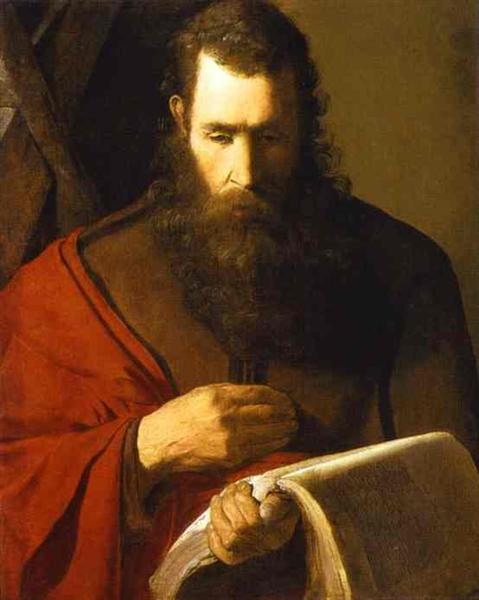
Georges de La Tour, Saint Andrew,, oil on canvas, 62 x 50.5 cm, c. 1620
Deadline: June 20th, 2023
The Klesch Collection offers grants towards the yearly cost of university fees to graduate students who have been accepted into a full-time Art History MA or PhD course of study worldwide, beginning the next academic year. PhD students are welcome to apply for any year in their programme.Applications will be considered from students who will focus/are focusing their studies on European and British painting of the Renaissance and Baroque periods (c. 1400-1700).The deadline to apply is 20th of June 2023.
More details on how to apply can be found through the link here.
Durham University, June 22nd and 23rd, 2023. Venue: Birley Room, Hatfield College, North Bailey, Durham, DH1 3RQ
On 22 and 23 June, the Zurbarán Centre at Durham University will host its third student-led symposium showcasing innovative doctoral and early career research in Iberian and Latin American art and visual culture.
The theme of this year’s symposium is movements and transformations, with presentations exploring a wide variety of topics, periods and regions. The 20 papers, drawn from 17 academic institutions, range from the movement of artists and artworks and their impact on visual culture to the transformative power of art in the forging of social, religious and political identities. The presentations will address important questions relating to artistic agency and reception, the circulation of art and artefacts, visual traditions across different media and societies, and artistic innovation. The symposium also features a keynote address by Prof. Claudia Hopkins, Director of the Zurbarán Centre.
Opportunities for questions and answers will follow the presentations and the keynote lecture. The aim is to stimulate interdisciplinary conversations and connections among emerging and established scholars engaged in the field of Iberian and Latin American art. Organised by Durham University doctoral students, the symposium will be held as a hybrid event for in-person attendance in Durham or virtual attendance via Zoom. Booking is essential and registration details can be found on the Zurbaran Centre’s website.
For those coming in person and able to spend more time in Durham, we will be arranging a visit to the Spanish Gallery in Bishop Auckland on Wednesday, 21 st June and a visit to the Bowes Museum in Barnard Castle on Saturday, 24 th June. More details will be provided closer to the event.
SYMPOSIUM PROGRAMME MORNING SESSION, THURSDAY 22 ND JUNE 10:00AM-12:45PM BST
10:00-10:30 Registration
10:30-10:45 Welcome and opening remarks: José María Robles, Minister-Counsellor for Cultural and Scientific Affairs, Embassy of Spain
10:45-11:45 Panel One – Art in Motion: Moving Artworks and Artistic Practices Stephanie Bernard (Durham University, UK) Juan Sánchez Cotán’s Adoration of the Magi, Between Tradition and Innovation Nora Guggenbühler (University of Zurich, Switzerland), The Travels of the Madonna di Trapani: Records of a miraculous image’s journey throughout the Iberian world
Q&A
11:45-12:00 Break
12:00-1:00 Panel One – Continuation Rafael Japón (Universidad Autónoma de Madrid, Spain), Flemish Paintings by an Italian Painter: The decoration of the cloister of the monastery of San Agustín in Lima Annemarie Iker (Princeton University, USA), Secrecy in the Paris Paintings of Santiago Rusiñol (1861—1931) and the Catalan Modernistes
Q&A
1:00-2:00 Lunch
AFTERNOON SESSION, THURSDAY 22 ND JUNE 1:45-6:00PM BST
2:00-3:30 Panel Two – Art and the Transformation of Iberian Identities Paola Setaro (Fondazione 1563 per l’Arte e la Cultura della Compagnia di San Paolo, Italy), From Painter of Friars to Painter of the Soul. The Gaze on Zurbarán in Francoist Spain Vega Torres Sastrús (Universitat de València, Spain), Transformations in and Through the Arts. Catholicism and Visual Culture in the Spanish Second Republic (1931-1936) Andrea Garcés Galarreta (Universidad Complutense de Madrid, Spain), From Equipo Realidad (1966) to Nueva Escuela Valenciana (circa 1980): De-sacralising visual practices in post francoist Spanish Mediterranean Coast
Q&A
3:30-3:45 Break
3:45-5:00 Panel Three – Jewish Identity on the Move in the Hispanic World Laura Feigen (The Courtauld Institute of Art, UK), Exodus and Expulsion: the Barcelona Haggadah as a Material Witness to Sephardi Migration 1391-1459 Jorge Oliaga Vázquez (University Autónoma of Madrid, Spain), The Old Testament in Seventeenth Century Spanish and Novo-Hispanic Painting: circulation of models and ideas in the Modern Age Drew Erin Becker Lash (University of California, Los Angeles, USA), Jacob and Intertextuality: Old testament images in seventeenth century Spain Q&A
5:10-5:25 Refreshments
5:25-6:00 Keynote speaker: Prof. Claudia Hopkins, Director of the Zurbarán Centre (Durham University, UK) Politics and Nostalgia for Al-Andalus in Art and Visual Culture in Franco’s Spain around 1950
MORNING SESSION, FRIDAY 23 rd JUNE 11:00AM-1:00PM BST
10:00-10:45 Coffee
10:45-11:45 Panel Four – Reception and Reimagining the Artistic Cultures of the Past. Montserrat Andrea Báez Hernández (University of Teramo, Italy) “Per metterlo in venerazione nel lontano paese…” Translation, Reception and Devotion of Roman Catacomb Martyrs in Latin America (1830-1880) Richard Jacques (Durham University, UK), Zurbarán’s Image of Saint Serapion and the Transformation of a Body in Pain
Q&A
11:45-12:00 Break
12:00-1:00 Panel Four – Continuation Pablo Sánchez Izquierdo (Universitat de València, Spain), The Vernacular Moroccan Construction and the Spanish Modern Architecture Theories Élodie Baillot (Sorbonne Université, France), From One Century to Another: French historiography and the fortune of « Hispano-mauresque » art
Q&A
1.00-2:00 Lunch
AFTERNOON SESSION, FRIDAY 23th JUNE 2:00-5:30PM BST
2:00-3:30 Panel Five – Expressions of Power: Arts and politics of the Americas Alexis Salas (University of Arkansas, USA), “¡Dále Gas! [Give It Gas!]: Art and Oil in The Petrochemical Americas Francesca Romana Gregori (University of Padua, Italy), “Antimonumenta” Artistic Practice in Feminist Mexico Alessandra Simões Paiva (Federal University of Southern Bahia, Brazil), Revolution from the Margins: The decolonial turn in the Brazilian contemporary art
Q&A
3:30-3:45 Break
3:45-5:00 Panel Six – Innovative artforms and artistic agency Ana Plaza Roig (Universidad Nacional de Tres de Febrero AGENCIA I+D+i/UNTREF, Argentina), A Saint Prince in Northwest Argentina: The patronage of Juan José Fernández Campero de Herrera Julieta Pestarino (4A Laboratory: Art Histories, Archaeologies, Anthropologies, Aesthetics, Berlin), Botanical Portraits: Anatole Saderman native plants photographs, between Science and Art Lariana Olguín (University of Puerto Rico, Puerto Rico), The Female Figure in the Spanish and Puerto Rican Satirical Press from 1860-1900
“Así repiten aún las piedras”: Juan de Roelas, Seville of 1615, and the City as Substrate
Juan de Roelas, The Immaculate Virgin, 1616, oil on canvas, 323 x 195cm. Museo Nacional de Escultura, Valladolid.
Speaker: Dr. Aaron Hyman
Date: 25 May 2023, 6 – 7:30 (BST) Place: Lecture Theatre 1 Vernon Square
In 1615, Seville erupted with fervent debates about the question of the Virgin’s Immaculacy. Clergymen hoping to sway the hearts and minds of both everyday supplicants and the religious powers that be took to the streets. The main mode by which clerics tested and contested ideas about Immaculacy was through the written word. “No plaza, no fortification, no street,” as one period source describes, was free from pamphlets and broadsheets that alternatively lambasted or defended this theological tenet. Amid this turmoil, the Spanish-Flemish cleric and painter Juan de Roelas produced a massive painting covered in texts of all sorts. This talk parses the picture’s many inscriptions not simply for their content but for their formal and material aspects, coordinating these against campaigns of the written word that were staged across the city’s surfaces. Doing so reveals the painting to be a carefully constructed message about the potentials and the power of particular types of textual objects and of the city itself—its very stones—to serve as a substrate capable of receiving inscription.
This talk emerges from a new book project, Formalities: The Art of Script in the Early Modern Spanish World, research for which has been supported by the American Council of Learned Societies, the Thoma Foundation, and the Newberry Library, Chicago.
Aaron M. Hyman is assistant professor in the Department of the History of Art at Johns Hopkins University and in 2023 fellow-in-residence as part of the “Global Horizons in Pre-modern Art” project at the Universität Bern. He is the author of Rubens in Repeat: The Logic of the Copy in Colonial Latin America (Getty Research Institute, 2021), which was awarded the Latin American Studies Association’s Best Book in Colonial Latin American Studies (2019-22), honorable mention for the 2023 Association for Latin American Art-Arvey Foundation Book Award, and honorable mention for the Renaissance Society of America’s 2023 Phyllis Goodhart Gordon Prize for Best Book in Renaissance Studies.
Organised by ARTES and Dr Tom Nickson (The Courtauld)