Join us on Zoom at 6:00 pm (London) on 15 June 2020 for the Maius Workshop’s second online event. Please click here to join (please note you will be asked to register and download Zoom, so we recommend you sign up in advance). You can use your PC, Mac, iPad, iPhone or Android device.
As in previous meetings, this workshop will feature short informal presentations followed by discussion. You will be able to present PowerPoint slides or other material remotely, and to join the discussion via voice or chat.
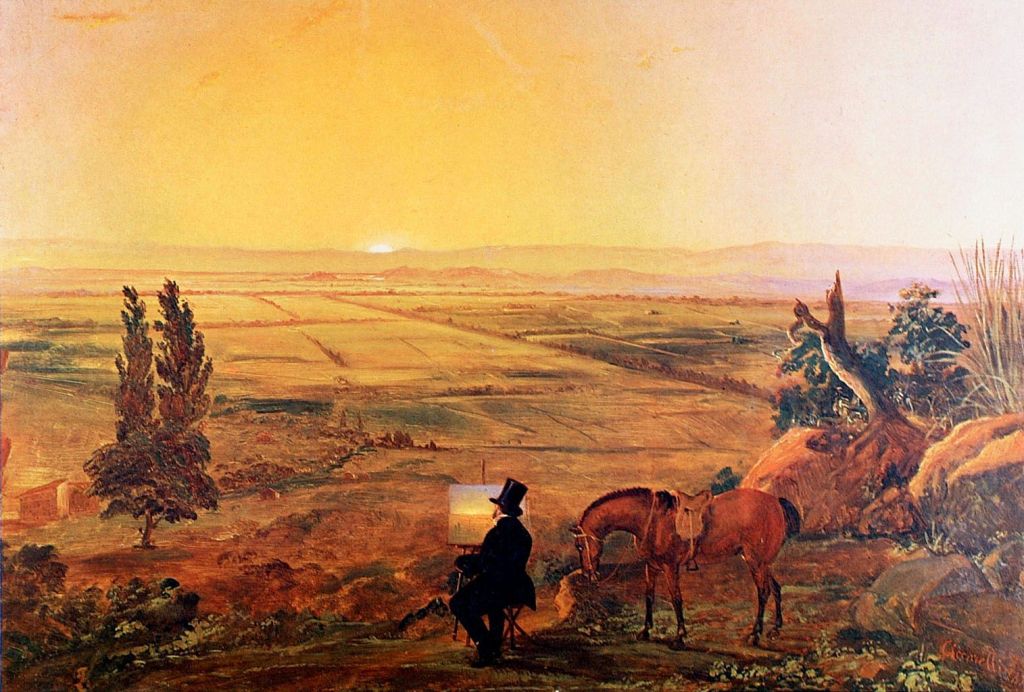
Our line-up includes a presentation entitled ‘Painting Poetry: The Arch of Titus in Rome by Juan Bautista Martínez del Mazo’ by Patricia Manzano-Rodríguez, a PhD Candidate in Art History and Architecture at the Zurbarán Centre for Spanish and Latin American Art, Durham University.
We invite further proposals for 15-minute presentations related to the theme of ‘nature’, widely considered. Speakers are encouraged to focus their talks on a particular case study (object, extract, document, etc.), which plays a role in their research and can spark creative discussion.
Topics of interest include, but are not limited to: real and imagined landscapes; ecology and the exploitation of the natural world; human-animal interactions; cartographies; the history of natural science; depicting ‘from life’, realism and naturalism.
If you would like to present your work-in-progress, please email maiusworkshop@gmail.com by 10 June 2020. Our sessions are open to all, and research in early stages of development is especially welcome.
Click here to register, places are limited (NB 17.00 UK time)
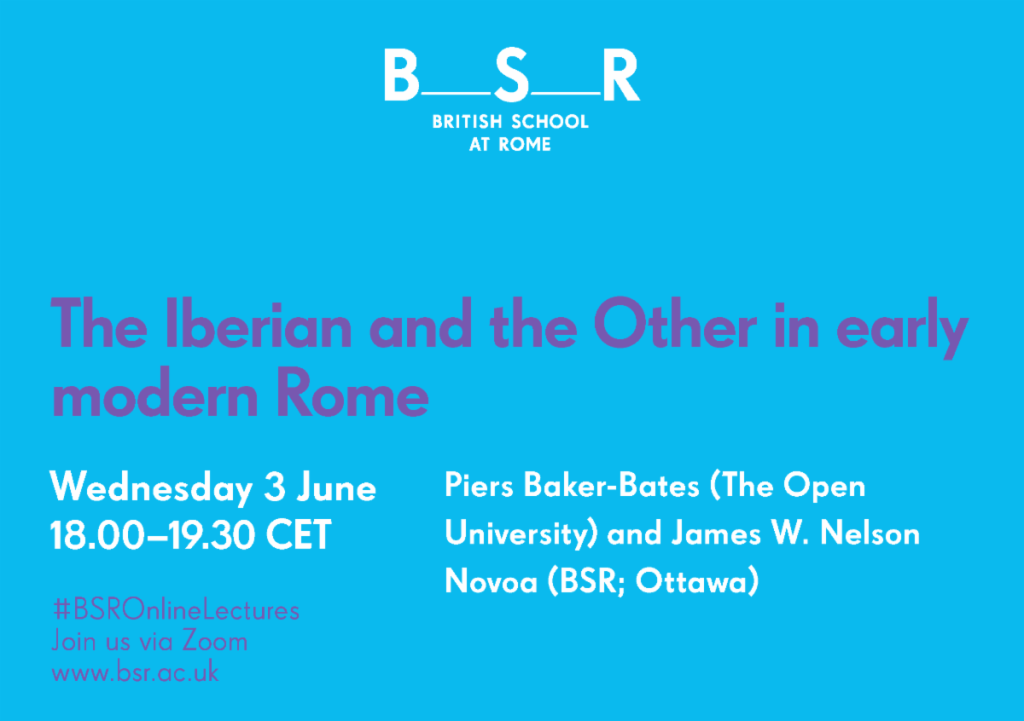
From the British School at Rome:
We are delighted to launch this series of #BSROnlineLectures for all our friends and followers and in the hope of making new ones. Thanks go to all of those who have agreed to contribute to this first series and to colleagues at the BSR who have pulled the series together with such skill and speed. Although we cannot gather here in Rome, we take consolation in coming together online. – Stephen Milner, Director
For different communities, at different times and for different reasons, Rome has always formed an important locus; this discussion will focus on one particular such early modern group. As the sixteenth-century progressed into the seventeenth, many individual Spanish and Portuguese had made their way to Rome, not only because of its geo-political significance, but also because for a large minority of them it offered a freedom of action that was unobtainable in their own countries. These were the Conversos, Iberians of Jewish descent, who were being gradually and effectively excluded from playing a role in church and state in Spain and Portugal, two countries that were briefly united from 1580. Drawing on our research in Rome, undertaken as historian and art historian respectively, we shall discuss the kind of lives these men (and occasionally women) were able to make for themselves in Rome, what roles they played there, and their importance, out of scale to their number, as patrons of the visual arts both at home and abroad, ranging from El Greco to Velazquez.
Piers Baker-Bates is currently a Visiting Research Associate at The Open University, United Kingdom, having previously been a Leverhulme Early Career Fellow at the same institution. He is also chair of ARTES, the Iberian & Latin American Visual Culture Group. He received his Ph.D. from the University of Cambridge in March 2006 and has since held fellowships at a number of institutions, including the British School at Rome and the Dutch Institute in Florence and was an Ailsa Mellon Bruce Visiting Senior Fellow at CASVA in Autumn 2019. This was for his new project: ‘In the Spanish Fashion: Italian Material Culture and Spanish Devotional Practice in the Sixteenth Century’. His book on Sebastiano del Piombo, Sebastiano del Piombo and the World of Spanish Rome was published in September 2016, while articles on Sebastiano have appeared in both edited collections and in journals. He has also co-authored two edited volumes, The Spanish Presence in Sixteenth-Century Italy: Images of Iberia, with Dr Miles Pattenden, which was published by Ashgate, supported by the CEEH, in January 2015 and “Un nuovo modo di colorire in pietra”: Paintings on Stone and Material Innovation, with Dr Elena Calvillo, which was published by Brill in March 2018. More recently he has contributed an essay and entries to the catalogue of the National Gallery, London, exhibition, Sebastiano del Piombo and Michelangelo, which ran from March to June 2017 and the Uffizi, Florence, exhibition, Spagna e Italia in Dialogo nell’Europa dell Cinquecento, which ran from February to May 2018.
James W. Nelson Novoa is Associate Professor in the department of Modern Languages and Literatures and Medieval and Renaissance studies at the University of Ottawa (Canada). He received his doctorate in Spanish philology from the University of Valencia in Spain in 2003 under the direction of Professor Julio Alonso Asenjo, with a European thesis co-directed by Professor Michele Luzzati of the University of Pisa. He was a postdoctoral fellow of the Foundation for Science and Technology of Portugal (2006–10) and (2011–14). Between 2014 and 2015 he was a researcher in the research project funded by the European Research Council and led by Professor Yosef Kaplan at the Hebrew University of Jerusalem: a transitional diaspora: cultural and religious changes in the Sephardic western communities during the period Modern, Faculty of Humanities, Hebrew University. He is the author of the book Being the Nação in the Eternal City: Portuguese New Christian Lives in Sixteenth Century Rome, Peterborough: Baywolf Press, 2014, of more than 30 peer-reviewed articles and 25 book chapters. Among his areas of academic interest are Italo-Iberian cultural relations in the modern period and the New Christian diaspora in Italy in the sixteenth and seventeenth centuries.
The Gallery is scheduled to reopen on July 20th, but until then you can visit virtually. The online version features a 360 degree image of the exhibition with the possibility to zoom in on the paintings and read the accompanying labels and text panels.
The museum’s director, conservators, curators, archivists, and other experts present 5-10 minute talks focused on key aspects of the permanent collection, including individual works and entire areas, such as the rare books from the museum’s library (in Spanish).
The director, researchers, and the heads of various departments have recorded short talks from inside the museum during the lockdown to share details about the history and conservation of various works in the collection (in Portuguese).
This site features virtual museum visits from around the world, which you can navigate with a map or alphabetically,such as the Muesu Nacional d’Art de Catalunya in Barcelona or the Museo Nacional de Arte in Mexico City. It is also worth exploring the other features of the site, including high definition images, narrated talks about individual works, virtual tours of famous sites, and much more.
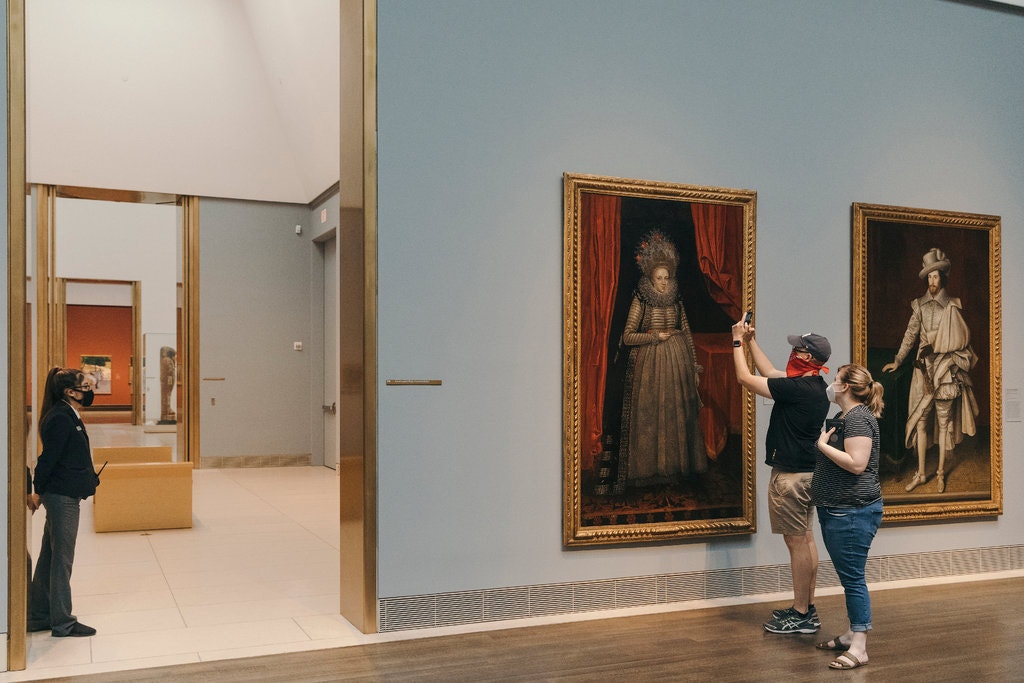
The Museum of Fine Arts in Houston, Texas became the first major American museum to reopen earlier this week. Under the state government’s orders, the museum was allowed to open at 25% capacity with strict hygiene guidelines, including mandatory masks and temperature checks. As reported by the New York Times, first in the socially-distant line was nurse Joan Laughlin, who had come to see one of the museum’s current exhibitions, ‘Glory of Spain: Treasures from the Hispanic Society Museum & Library’.
The traveling exhibition focuses on the art of Spain, Portugal, Latin America, and the Philippines, and spans more than 4000 years. The 200 objects on loan from the Hispanic Society of America include paintings, drawings, sculpture, illuminated manuscripts, maps, textiles, porcelains and ceramics, and metalwork and jewelry. The exhibition is organized chronologically into six groups: Antiquity in Spain, Medieval Spain, Golden Age Spain, Viceregal and 19th-Century Latin America, Enlightenment in Spain, and Modern Spain.
This may mark the beginning of the post-lockdown era for cultural institutions in Europe. Museums in Madrid and Barcelona were also allowed to open at limited capacity from May 25th, and French museums will follow at the beginning of next week.
The Spanish government’s Ministry of Culture and Sport has recently published a document detailing how museums and galleries may be able to manage visitors and collections once lockdown has been fully lifted in Spain. Xanthe Brooke has written a summary of their guidance:
‘In addition to implementing hygiene and physical distancing rules the Dept. considers that in the short term at least there will be no room for block-buster exhibitions attracting mass tourism, nor social and educational activities attracting groups of visitors, and that cultural activities should resume with the limitation of capacity to one third. Museum libraries, archives and research rooms will not be available to the public until the de-escalation phases have been completed and, in any case, assistance by telematic means will prevail.
Instead museums and galleries should continue to make their collections accessible by placing their collections online by digitisation, virtual reality, and other technological means. The Dept. goes on to state that though lower visitor numbers might increase the quality of the visit, it might also lead to a more ‘elitist museum’, and so museums must ensure that future visitors are diverse, and seek out methods in which participation can involve different sectors of society.
The Reina Sofía Museum of Contemporary Art has already announced that when it re-opens, sometime in early to mid-June, as well as abiding by hygiene and temperature advice, it will: aim to reduce its visitor numbers to 30% of its previous footfall; introduce a 1-way system around its rooms; and withdraw paper brochures, maps, plans and guides to the museum to prevent the transfer of the virus, and instead introduce an app for visitors’ mobile phones.’
Interior of the Calouste Gulbenkian Museum, Wikimedia Commons
Islamic Art Circle Lecture: Dr Jessica Hallett, ‘ART AND OIL: Calouste Gulbenkian and his Collection of Islamic Art’, SOAS, Paul Webley Wing (Senate House), Wolfson Lecture Theatre, 7:00–9:00pm
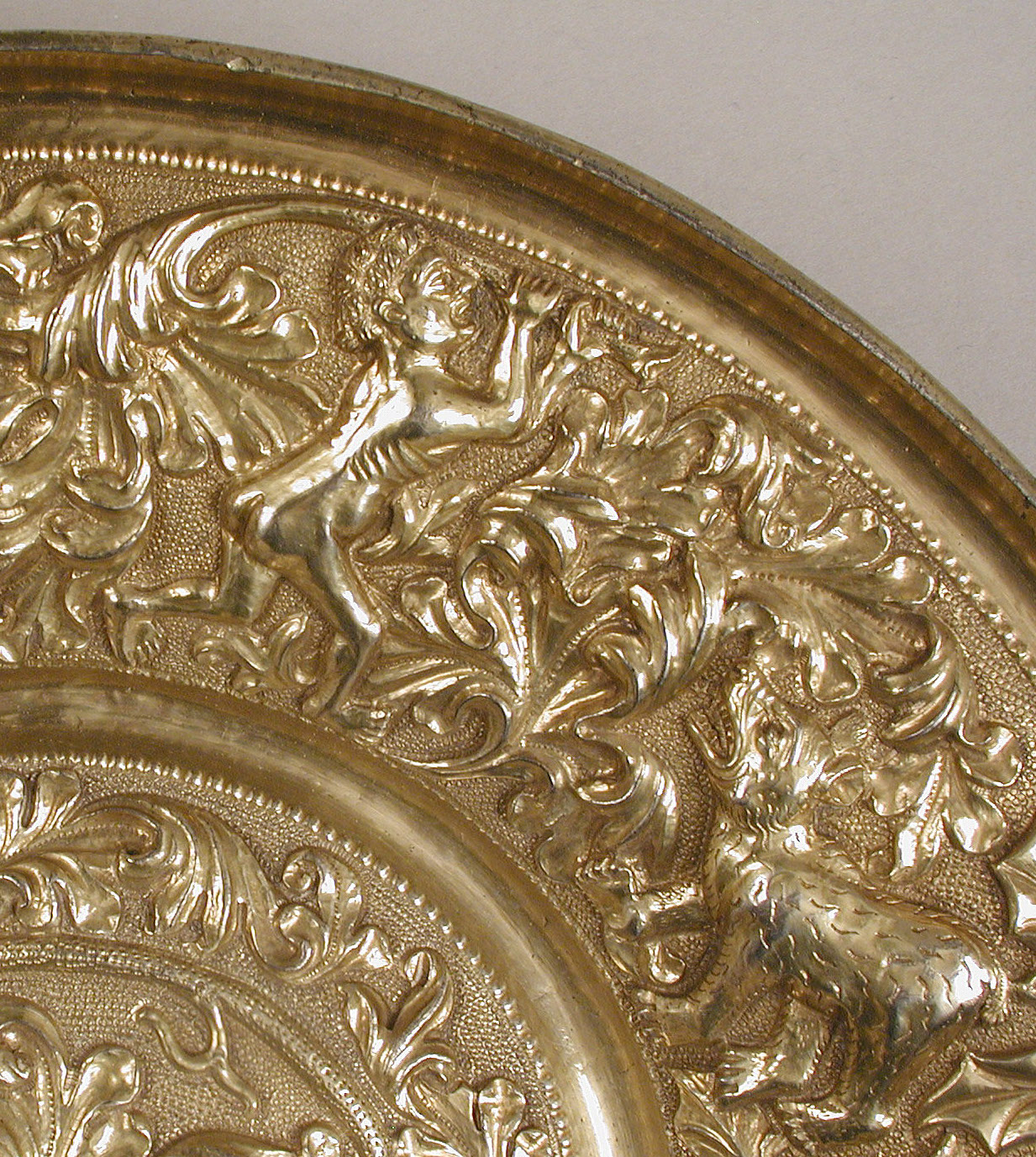
Plate [detail], Portugal, ca. 1500–1525, embossed silver-gilt, 3.3 x diam. 22 cm. New York, Metropolitan Museum of Art. Image: Public Domain.This year’s prize is awarded to Dr Simon Park, an early career scholar at the University of Oxford. Simon’s essay, ‘Chasing Wild Men (in Silver)’ examined silverwork in early Renaissance Portugal, and was highly commended by the committee.
We regret that the postponement of our AGM means we cannot award the prize in person, but congratulate Simon on a wonderful piece of research.
ARTES and CEEH are delighted to announce the first ever ARTES CEEH Scholars! Out of many excellent applications, we are very pleased to make the following four awards:
Scholarship for a PhD student in the UK (£3000)
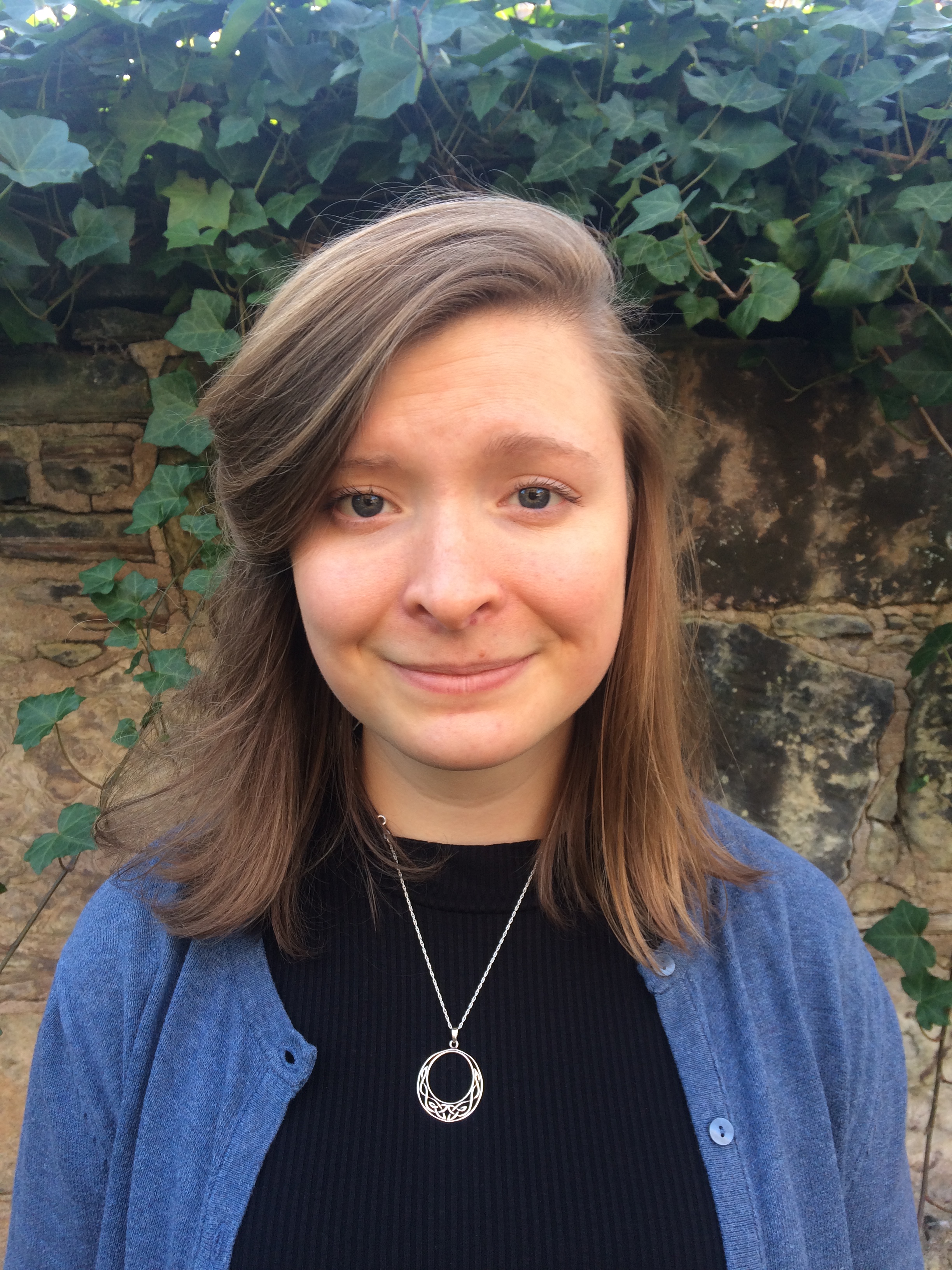
Carter Lyon (University of Glasgow)
Title: Spanish Golden Age Art Theory in Practice: A case study of Vicente Carducho’s Self Portrait in the collection of Sir William Stirling Maxwell
Supervisors: Dr Mark Richter and Dr Hilary Macartney
My research concerns the relationship between art theory and artistic practice in the Spanish Golden Age as evidenced in the works of the scholar-artist Vicente Carducho (1568-1638). At the core of my project are Carducho’s Self Portrait (c. 1633-38, Glasgow Museums) and his treatise Diálogos de la Pintura (1633). Adopting a technical art history methodology, I have conducted a technical study of Self Portrait that I will interpret in light of Carducho’s presentation of painting as a liberal art and his proposals for its practice. Consideration of Carducho’s professional activities and contemporary Spanish paintings and treatises will inform my analysis.
Scholarship for a PhD/post-doc student in Spain (£3000)
Alexandra Millón Maté (Universidad Autónoma de Madrid)
Title: “Fancy pictures”? The British Reception of Murillo, 1650-1900
Supervisors: Professor Felipe Pereda Espeso (Harvard University) and Dr. María Cruz de Carlos Varona (Universidad Autónoma de Madrid).
The main purpose of this interdisciplinary project is to study the reception of genre painting by Bartolomé Esteban Murillo (Seville, 1617-1682) in the United Kingdom between 1650 and 1900. It is a project dedicated to one of the fundamental chapters of my doctoral thesis registered at the Universidad Autónoma de Madrid. To carry out this project, it is necessary to reside in London for at least 6-8 weeks to have daily access to the National Gallery Archive, the British Library, the City of London Archive, the Royal Academy Archive, the Tate Gallery Archive and Dulwich Picture Gallery Archive.
Esteban Murillo, Four Figures on a Step, c. 1655-60. Kimbell Art Museum painting
In the same way, it will be very important for my work to have a longer access to the archives of Nigel Glendinning and Enriqueta Harris both at the Warburg Institute and at the University of London, as well as the collection and auction documentation area of The Courtauld Institute of Arts. Exceptionally, this project also includes some trips to other nearby cities to continue documentation work at Bedforshire Archives, Dyrham Park and Kingston Lacy, and just one more trip to Scotland. In Edinburgh I will visit the Spanish collection of the Scottish National Gallery and consult the documentary section dedicated to Murillo in his library and, in Glasgow, I will visit the collection of Sir William Stirling Maxwell at Pollok House.
ARTES CEEH Travel Scholarships (£1000 each)
Victoria Rasbridge (University College London)
Title: Intersecting Identities: Troubled and Troubling Representations of Queenship on the Early Modern Spanish Stage
Supervisor: Dr Alexander Samson
I plan to spend eight days in Almagro in early July, sufficient time to attend the three-day AHCT conference, explore the archives, and attend a variety of performances. Specifically, in the Museo Nacional de Teatro, I will examine the ‘Genealogía’ of the ‘Cofradía de la Novena’ manuscript found in the ‘archivo documental’. Its collection of members’ personal anecdotes pertaining to specific performances and roles will grant new insight into how visual representations and staged performances of queenship were adapted for different audiences in different spaces. Moreover, the unique opportunity to view the comedia in its original setting will allow me to experience first-hand how performance and staging have been adapted to the physical space of the corral and, in turn, how that space dictated or prevented specific staging choices.
Queen Mariana of Austria, Diego Velázquez [1652]. Oil on Canvas, 231 x 131cm . Madrid, Museo Nacional Del PradoFollowing this, I intend to spend a further ten days in Madrid dividing my time between the Real Biblioteca and the BNE. Firstly, in the Real Biblioteca, I will investigate the numerous comedia manuscripts and personal correspondence detailing royal reactions to performances held in its ‘Conde de Gondomar’ collection. Secondly, in the BNE, I will consult the extensive ‘Teatro’ collection, particularly interesting for its copy of Calderón de la Barca’s ‘Triunfar muriendo’ and a rare 48-volume series of comedias (1652-1704). Using these materials, I will examine marginal annotations to uncover how important scenes have been staged and enacted.
Sarah Slingluff (University of Edinburgh)
Title: Material Culture of the Arab/Berber Conquest: Excavations at the fortress of Zorita Castle and Surveying the Museums of the thaghr al-awsaṭ
Supervisor: Dr Glaire Anderson
I intend to conduct research this July at Zorita Castle in order to discover the ways in which those who led the Arab/Berber conquest of the Iberian Peninsula lived. In addition to the excavation, I will document holdings of museums in Castile La Mancha, Extremadura, and Madrid relating to life in Islamic Spain. This research allows a comparison of early medieval elite and non-elite experiences in central Spain.
View of the fortress of Zorita de los Canes, from Recopolis. Photo by Sarah Slingluff, March 2020
This work will support my doctoral thesis on both the life of non-elite peoples in early medieval Spain, but also on the ways that this experience is represented in Spanish institutions.
The Fundación Juan March presents to the public its on-line gateway to the complete content of each of the 205 catalogues accompanying the exhibitions held at its three venues since 1973, in Madrid, Cuenca (the Museo de Arte Abstracto Español) and Palma de Mallorca (the Museu Fundación Juan March). This collection of documents will be continually updated, and its principal aims are the dissemination and promotion of research and knowledge in the fields of art and art history and the advancement of public awareness of the institution’s history of exhibitions. Each catalogue will be published online in the languages in which it originally appeared one year following its corresponding exhibition’s conclusion or once all print copies have been sold.
At its inauguration, All Our Art Catalogues since 1973 offers readers over 34,000 pages of material, including essays by more than 500 authors and images of 18,500 works by nearly 1,900 artists and extending beyond 20th century and contemporary art. An advanced navigation tool allows for interconnected searches across the entire site and within each catalogue, and results may be filtered by date, title, language and relevance. The search engine also generates recommendations for consulting similar material in other catalogues.
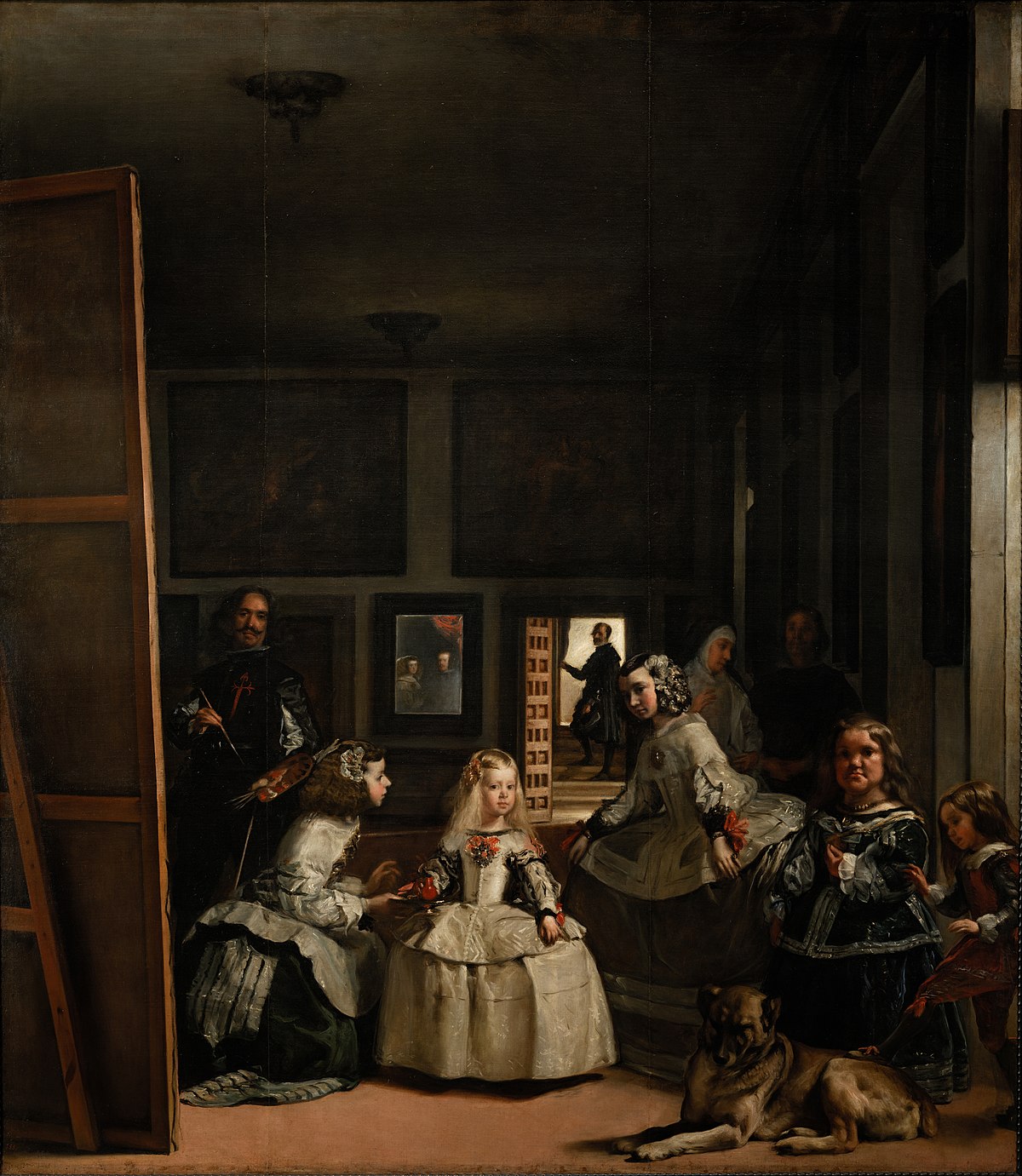
Diego Velázquez, Las Meninas, 1656, Museo Nacional del Prado
The Arts Society Connected (formerly NADFAS, the National Association of Decorative & Fine Arts Societies) is a new digital platform being launched on 7th April by The Arts Society, the UK’s leading arts education charity. Free to both The Arts Society’s 90,000 Members as well as the general public, The Arts Society Connected will host a series of fortnightly lectures by the UK’s leading art historians, as well as film screenings, live author Q&As and a community forum for anyone using the platform. The aim of the platform is to help older Members of the population stay connected, educated, entertained and informed over the next three months. The core aims of the charity are to create a better, healthier and more connected society through the power of the arts to nourish and empower. The platform will create a welcoming community for both existing Members as well as the general public.
The Arts Society has moved quickly in response to the COVID-19 crisis to create this digital platform as a large proportion of Members are aged 70 and above and will be forced to isolate over the coming months. The Arts Society consists of 380 individual Membership groups, who organise regular lectures and educational trips to museums and galleries throughout the year. With the inability of Members to meet in person, The Arts Society Connected will ensure that Members are able to stay connected online even while they remain in isolation. The Arts Society is working with its directory of Accredited Lecturers to create exclusive video lectures for the new platform. Lectures will be uploaded every other Tuesday at 11am. Members will be encouraged to take part in a community moment, when anyone planning on watching the talk can make a cup of tea at home and join the community forums online for a chat before and after the lecture. The lecturer will also be available to answer questions in the community forums following their lecture.
The platform features an inaugural lectureon Las Meninas by Velázquez by Arts Society Accredited Lecturer, art historian and linguist, Jacqueline Cockburn.




 ARTES is delighted to announce the winner of the 2020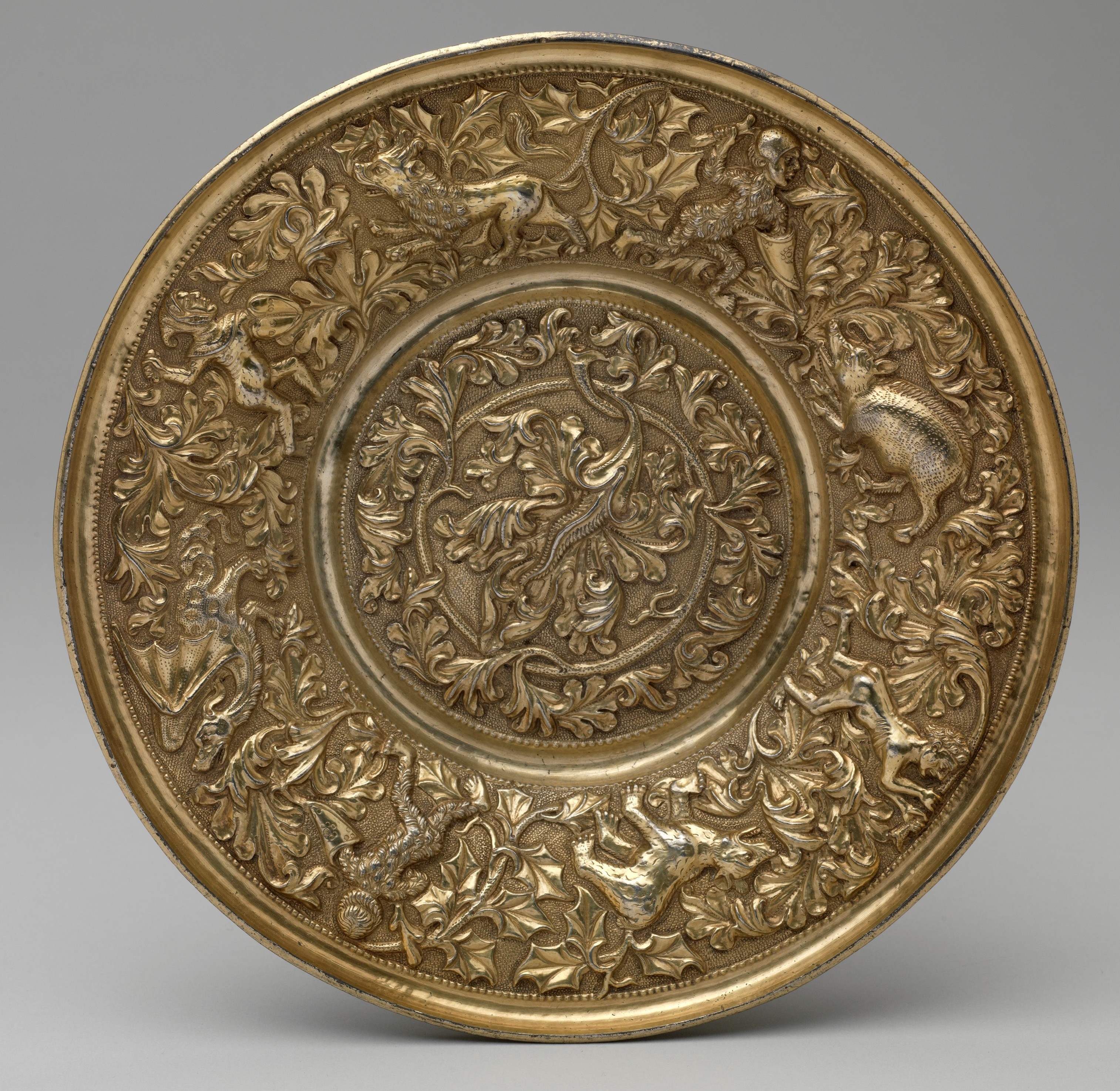
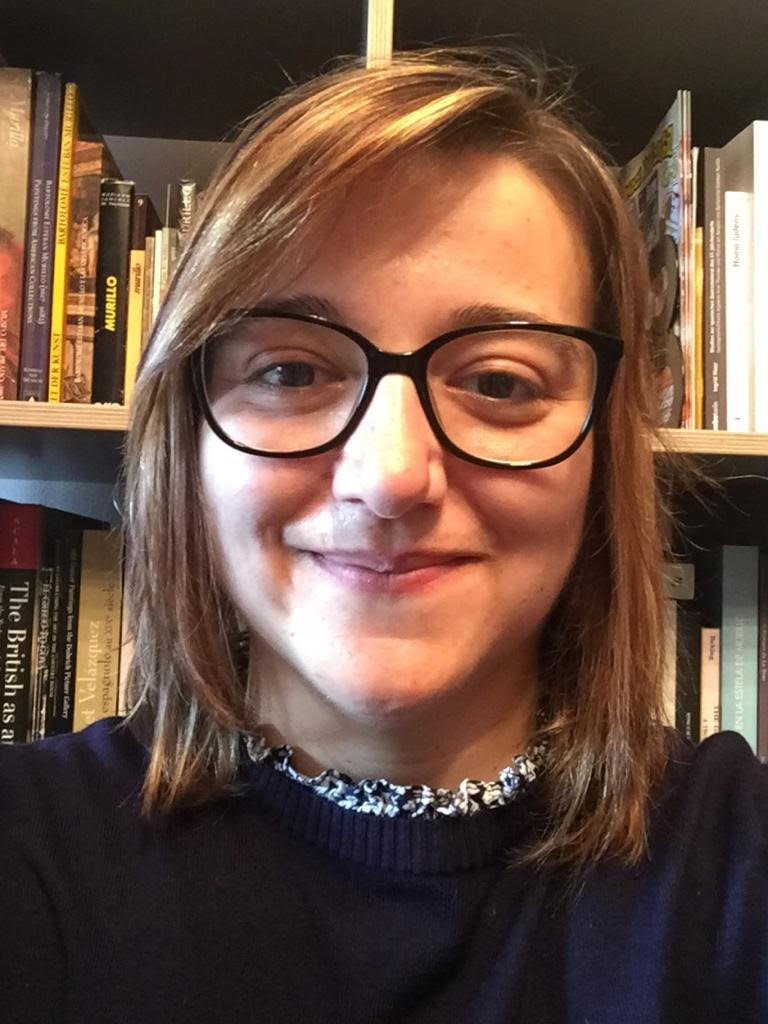
 Carter Lyon (University of Glasgow)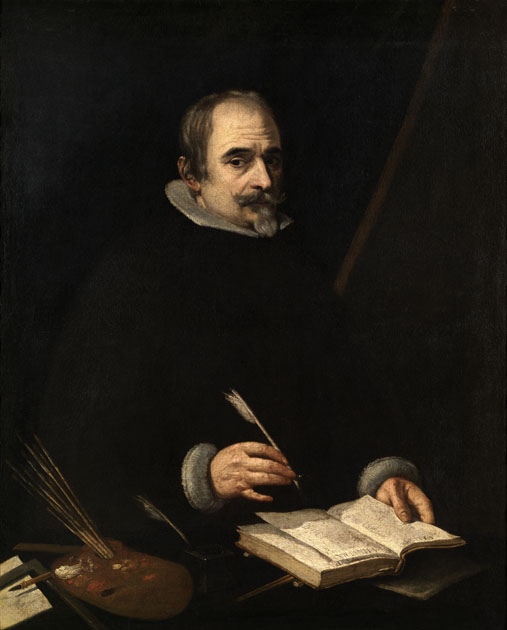
 Alexandra Millón Maté (Universidad Autónoma de Madrid)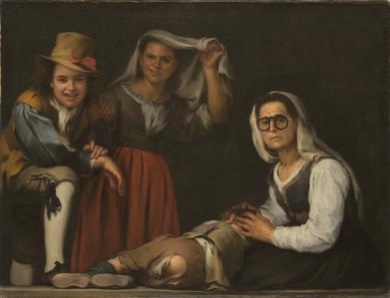
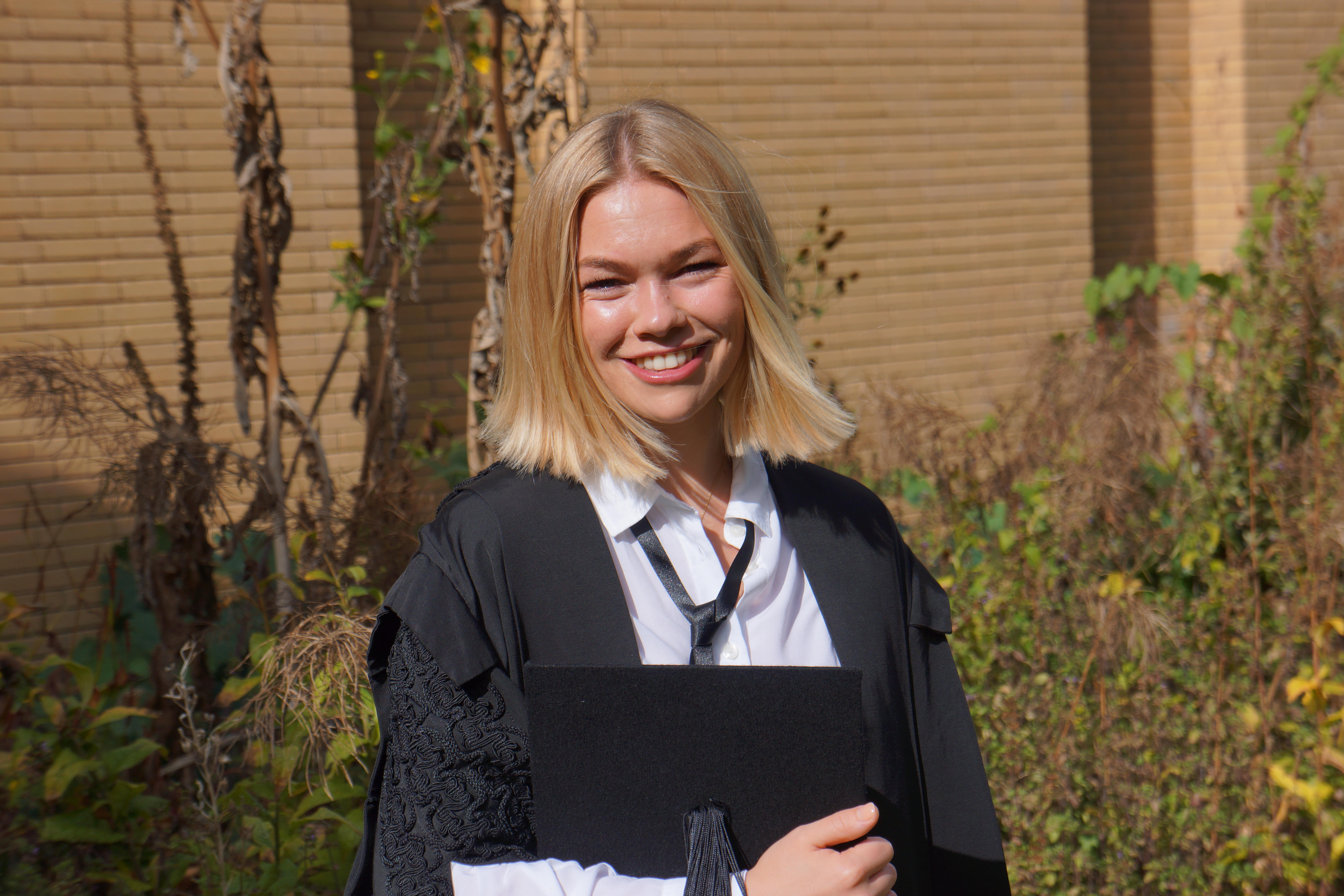 Victoria Rasbridge (University College London)
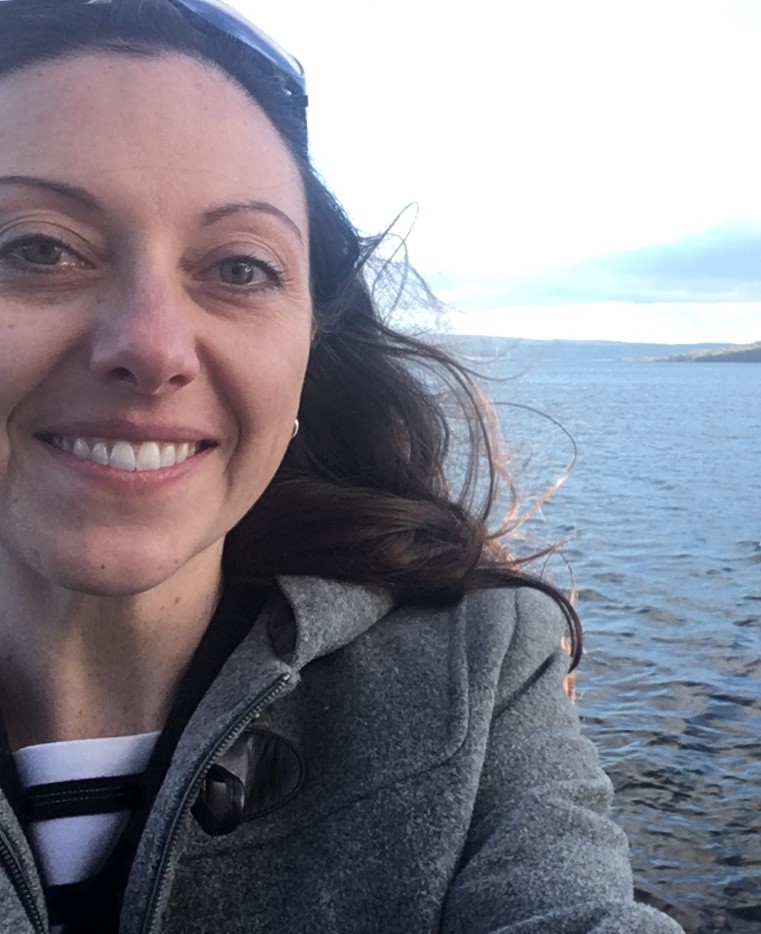 Title: Material Culture of the Arab/Berber Conquest: Excavations at the fortress of Zorita Castle and Surveying the Museums of the thaghr al-awsaṭ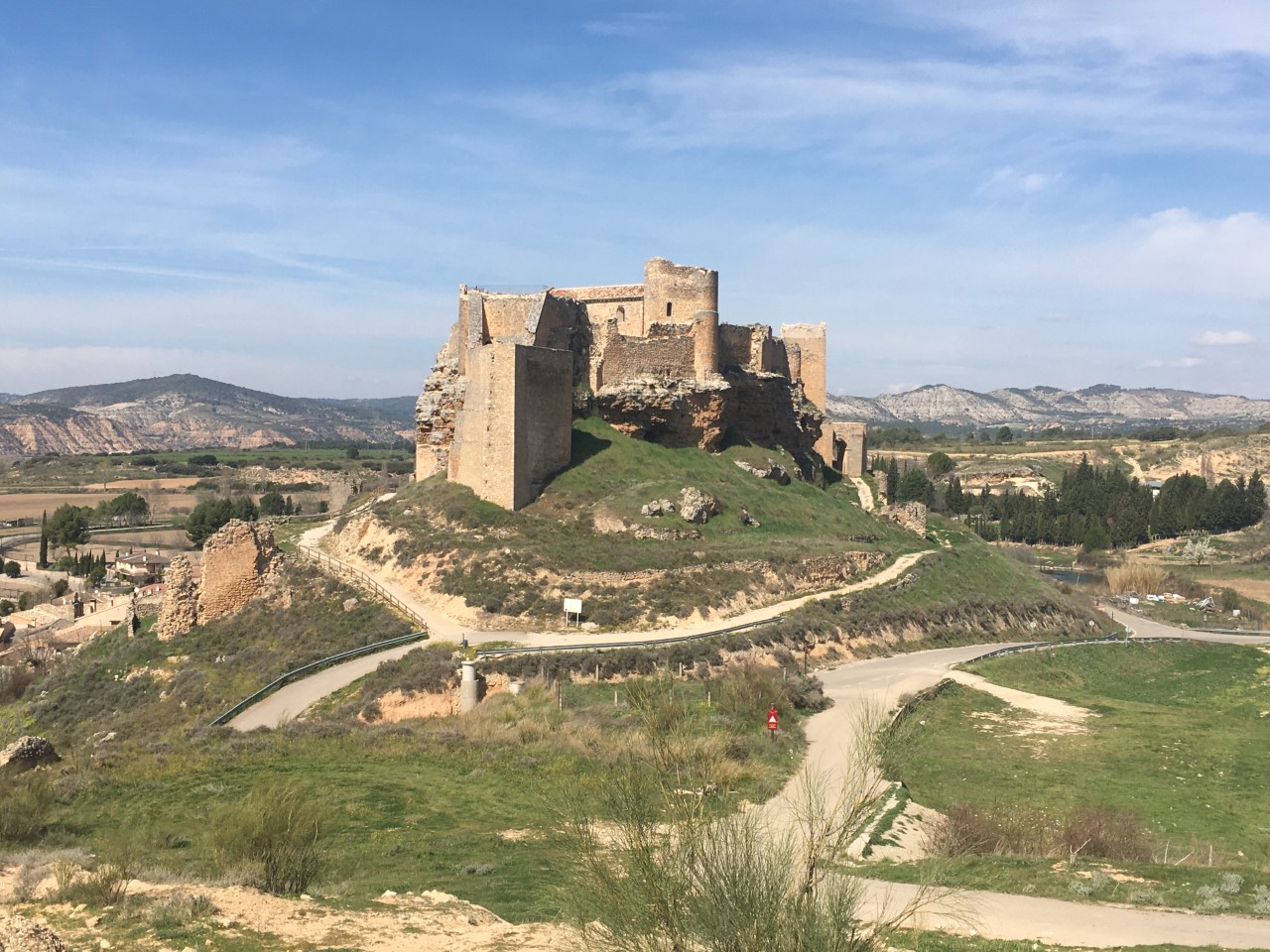

 ARTES
ARTES 