
 Survey exhibition of some 150 works, including painting, sculpture, photography, video art and works on paper, by nearly 100 artists, covering the five decades from 1968, when a new generation of Basque artists born in the 1940s was joining the art scene, to 2018 when art made by women has become increasingly prominent. It also assesses the importance that the individual and collective careers that emerged in the region have had on both Spanish and international art. The show’s point of departure will be the collection of the Bilbao Fine Arts Museum, which will be joined by important loans from private collections and fellow public institutions—such as the Museo Nacional Centro de Arte Reina Sofía, the Museu d’Art Contemporani de Barcelona, ARTIUM and the Kunstmuseum of Basel—that have placed particular emphasis on acquiring contemporary Basque art. The exhibition, which is curated in-house by Miriam Alzuri, Begoña González and Miguel Zugaza, will be accompanied by a catalogue. Click here for more information.
After ’68. Art and Practices in the Basque Country 1968–2018 is completed in gallery 33 by an exhibition space curated by the musician, producer, journalist and sound artist Xabier Erkizia. This gallery presents original materials—record covers, posters, sound recordings, etc.—which provide a historical view of the musical and sound practices in the Basque Country over these past five decades. This section of the exhibition can be explored through a dedicated microsite at this link.

 Throughout his career the Catalan painter Hermen Anglada-Camarasa (Barcelona 1871–1959 Pollença) worked mainly in the ‘modernista’ style. During WWI he travelled to Mallorca for the first time and eventually settled for the rest of his life in the north of the island, where in 1967, following the artist’s wishes his house in Pollença was turned into a museum. This exhibition in Palma de Mallorca displays a wide range of his paintings alongside his collection of costume, furniture and Japanese prints, in a setting evocative of his house.
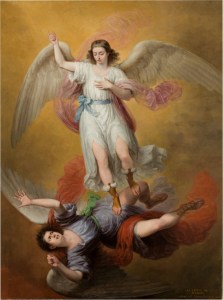 The Museo del Prado has restored three paintings considered to be among the most important religious compositions by the leading Spanish Romantic artist Antonio María Esquivel. Esquivel’s work as the creator of religious paintings is barely known despite being among his principal artistic concerns. Now visitors can see The Fall of Lucifer, Christ the Saviour and other works, including a Self-Portrait. The exhibition has been curated by Javier Barón, Prado Senior Curator Nineteenth-century Painting at the Prado.
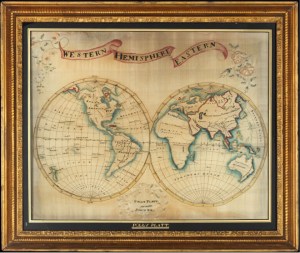 Bard Graduate Center welcomes submissions for the 2018 Mr. and Mrs. Raymond J. Horowitz Book Prize, awarded annually to the best book on the decorative arts, design history, or material culture of the Americas. The prize will reward scholarly excellence and commitment to cross-disciplinary conversation. Eligible titles include monographs, exhibition catalogues, and collections of essays in any language, published in print or in digital format. The winning author(s) or editor(s) will be chosen by a committee of Bard Graduate Center faculty and will be honored with a symposium on the subject of the book. Submissions must have a 2018 publication date.

 This exhibition marking the 110th anniversary of Bilbao’s Museo de Bellas Artes aims to provide a path through the museum’s collections via a display of 110 works selected by the writer
  ARTES
ARTES 