Includes travel to Spain and Italy, Sep 1, 2023–Sep 1, 2024
Institution: Custard Institute for Spanish Art and Culture (Dallas, Texas) Deadline: Apr 20, 2023 Application materials should be sent in PDF format to: Dr. P. Gregory Warden, Mark A. Roglán Director, Custard Institute gwarden@smu.edu
The Custard Institute Post-Doctoral Fellow is appointed by and reports to the director of the Custard Institute for Spanish Art and Culture at the Meadows Museum, SMU. They serve a full-time appointment of one year (12 months), beginning in September 2023 or as appropriate. The Fellow will work with the faculty and staff of the Custard Institute for Spanish Art and Culture (CISAC) at SMU, and of the Edith O’Donnell Institute of Art History (EODIAH) at the University of Texas at Dallas on the research project, Royal Power, Exoticism, and Technology: Porcelain Rooms from Naples to Madrid. This cultural heritage project brings together art historians and experts in digital technologies at the EODIAH and the CISAC to create digital models of two of eighteenth-century Europe’s great artistic and technological achievements: the porcelain rooms that the Bourbon King Charles of Naples (later King Charles III of Spain) commissioned from his court workshop for the royal palaces at Portici (10 km southeast of Naples) and Aranjuez (50 km south of Madrid).
Required – Completion of the Ph.D. or equivalent – Demonstrated knowledge of digital cultural heritage technologies, and demonstrated foundation in the history of art and architecture or archaeology – Excellent proficiency in either Spanish or Italian
Preferred Qualifications – At least one year of research experience or relevant digital cultural heritage experience – Experience with collaborative projects and project management
Opportunities & Responsibilities – Play a lead role in all aspects of the project to research and model the Bourbon porcelain rooms at Portici (now held at the Museo e Real Bosco di Capodimonte in Naples) and Aranjuez – Conduct research to gather primary and secondary sources related to the design, construction, and later histories of the porcelain rooms – Actively collaborate with CISAC and EODIAH faculty and staff, as well as the staffs of Aranjuez, Capodimonte, and Portici – Spend periods of project-related work in Naples, Portici, and Aranjuez – Teach a course on digital cultural heritage in the spring of 2024 – Manage your own travel/research budget
Fellows receive: – An annual stipend of $50,000 to defray living expenses – Additional funds available for research, travel, and other expenses – In addition to SMU/CISAC appointment, a UTD/EODIAH affiliation as Visiting Researcher – SMU benefit package
Applicants must submit: • A curriculum vitae • A statement (not to exceed 1,500 words) describing: – the candidate’s background in digital cultural heritage, art history, architectural history, or archaeology; – the applicant’s research goals; – how these goals relate to or will benefit the Custard Institute and the porcelain rooms project; and – the names and contact information of three academic and/or professional recommenders.
Deadline to apply: April 20, 2023
Application materials should be sent in PDF format to: Dr. P. Gregory Warden, Mark A. Roglán Director, Custard Institute gwarden@smu.edu
Graduate Teaching Fellowships – Three Positions: Transcending Boundaries in Late Antiquity and the Middle Ages
Deadline: April 17th, 2023
Background
Building upon our recent success in the national Research Excellence Framework (REF 2021), the School of Humanities and Heritage at the University of Lincoln is offering three fully-funded Graduate Teaching Fellow positions in Medieval Studies (comprising a PhD fee waiver, plus the equivalent of a UKRI stipend, for four years full-time). We invite talented individuals to submit applications for these fellowships, which combine PhD study with limited teaching duties at the University of Lincoln. We are particularly interested in interdisciplinary and comparative doctoral projects that link to our overarching theme of ‘Transcending Boundaries in Late Antiquity and the Middle Ages’ and draw upon our staff’s expertise in archaeology, archives, art history, history, linguistics, and literature.
Medieval Studies is an area of research excellence in the University that attracts scholars from around the world who work on Late Antiquity and the Middle Ages. Successful applicants will be supervised in undertaking their doctoral research, and will simultaneously be provided with a graduated introduction to teaching, involving mentorship, training, and support for attaining HEA Associate Fellow status. Teaching contact hours will build gradually up to a maximum of no more than 8 hours per week during term time over the course of the Graduate Teaching Fellowship.
Aims
The late antique and medieval world (300-1500) was one of blurred edges, where politics, societies, religions, and cultures mapped onto space and time in constantly shifting patterns. Yet modern scholarship tends to describe the period in rigid categories of race and denomination reflecting and supporting contemporary agendas of nationhood and state-building, and to reconstruct it with sets of tools determined by the divisions of modern university departments and disciplines. To encourage innovative, comparative, and intersectional approaches to examining Late Antiquity and the Middle Ages, we invite applications for our Graduate Teaching Fellowships that employ intersectional methodologies to studying Late Antiquity and the Middle Ages. Applications should be for doctoral projects that align with one of the following themes:
1. Languages, communities, and beliefs: a proposal for a doctoral project that explores multilingual, intercultural, or inter-religious contacts, martyrs, and saints, and/or networks and networking in the Iberian Peninsula.
2. Gender, identities, aristocracies, and power: a proposal for a doctoral project that reconceptualises women’s roles and/or explores new ways of understanding lordship and elites across different regions.
3. Archives, heritage, and medievalism: a proposal for a doctoral project that uses, recovers, and/or reconstructs neglected collections, works, or sites, preferably in/around Lincoln and with digital approaches.
Research Environment
The successful applicants will join the University’s thriving Medieval Studies Research Group, which enjoys an international reputation for its publications and projects. Situated within the beautiful cathedral city of Lincoln, the Group has strong links to civic partners, including Lincoln Cathedral with its peerless holdings of medieval manuscripts, the Collection Museum (soon to be renamed The Lincoln Museum) with its repository of ancient and medieval finds, Lincoln Castle, and Lincolnshire Archives, one of the UK’s largest regional collections. Our externally funded research includes the Medieval Iberian Saints Project (AHRC), and we host two Leverhulme early career researchers (Dr Hannah Boston and Dr Anaïs Waag).
The three Graduate Teaching Fellowship themes reflect the main research areas of the Medieval Studies Research Group:
2. Gender, identities, aristocracies, and power: The Group includes a critical mass of scholars whose research examines the intersections of gender, identity, status, and power amongst European aristocracies and ruling elites. Current related research includes: Medieval People; and the Noblewomen Network.
This is a developmental role for those aspiring to an academic post in the future. You will be given the opportunity to work across disciplines and engage with colleagues from the University of Lincoln’s Medieval Studies Research Group. You should possess a good undergraduate Honours degree (2:1 or higher) and Master’s degree in Archaeology, Classical Studies, History, Art History, Linguistics, Medieval Studies, or English.
Interested applicants are encouraged to demonstrate skills, experience, and/or potential relevant to a future career in teaching and researching aspects of life and culture in Late Antiquity and the Middle Ages. Evidence of the ability to engage in postgraduate research and to work collaboratively as part of a teaching team, including excellent communication skills in both written and spoken English, are required. Successful applicants will enrol on an appropriate PhD programme at the University of Lincoln.
Funding
A Graduate Teaching Fellow position is a four-year, full-time role which combines PhD study with teaching duties. Applicants with relevant personal circumstances may be enrolled for six years on a part-time basis, but only where this is justified.
All Graduate Teaching Fellows will have their PhD fees waived, whether they incur home or international fees. They will also receive the equivalent of the standard UKRI stipend (£17668 p.a. in 2022-2023), partly as salary and partly as a stipend.
Graduate Teaching Fellows will be provided with appropriate training and support to undertake their teaching role. It is envisaged that their teaching duties, including associated administrative support and training, will not exceed 468 hours (0.3 FTE) per year and in no case will exceed 20 hours of duties per week.
How to Apply
To apply for this position, please send your CV, cover letter, personal statement, and EDI monitoring form to Professor Louise Wilkinson (medievalstudies@lincoln.ac.uk) with the subject heading “Medieval Studies Graduate Teaching Fellow Application”.
Your personal statement should provide: (1) information on how your qualifications and experience meet the requirements of the Graduate Teaching Fellowship Programme (500 words); (2) an outline of your proposed doctoral project, noting which theme it aligns with and your preferred supervisors (1000 words excluding bibliography); (3) a statement outlining how you would approach teaching Medieval Studies to undergraduates, including any relevant experience if applicable (500 words); and (4) the contact details for two academic references.
Candidates are strongly encouraged to contact their preferred supervisors for informal advice about developing their doctoral projects in advance of submitting their applications.
ARTES is delighted to announce the winners of our annual travel scholarships, generously supported by CEEH.
Philip Muijtjens, Cambridge University – £750 for travel to Burgos
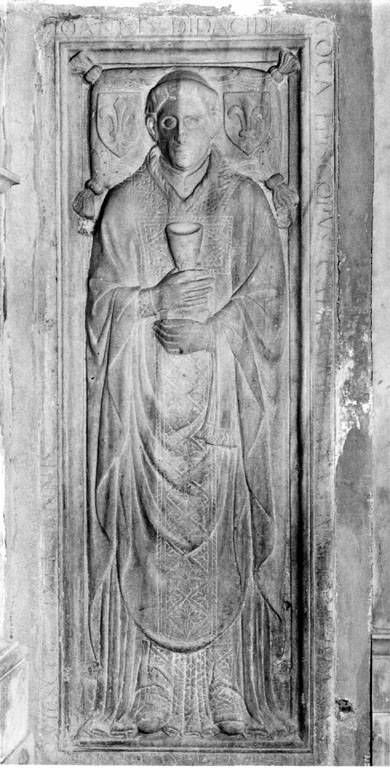
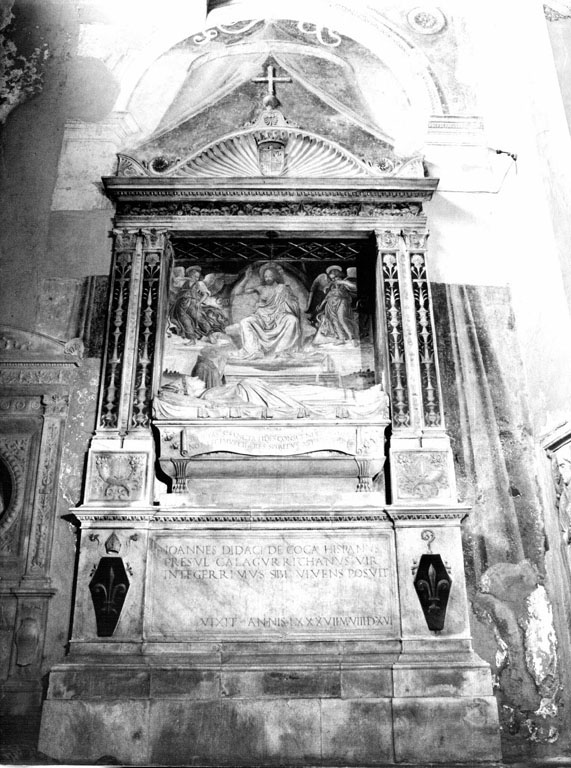
A Spanish Patron in Fifteenth-Century Rome and Burgos: Bishop Juan Díaz de Coca (d.1477)
Born into a family of conversos, Juan Díaz de Coca (1389-1477) started his ecclesiastical career in Burgos and worked his way up to the papal court in Rome. During his life, Juan remained an important contact for political and artistic patronage between the Cathedral of Burgos, his alma mater, and the papal circles of Rome. As a result, Juan can be connected to several important instances of patronage in both cities. This project focuses on newly found documentary evidence on Juan de Coca’s artistic patronage in Burgos and Rome.
Megan Smith, Durham University – £850 for travel to Madrid, Toledo and Seville
In Ictu Oculi: Curation, Representation and Facsimiles in the Factum Foundation Display at Bishop Auckland’s Spanish Gallery
The Factum Foundation’s display in Bishop Auckland’s Spanish Gallery is the focus of my undergraduate dissertation. Factum have produced facsimiles of selected early modern Spanish works to create an immersive display intended to give a glimpse into the Spanish ‘Golden Age’. My research analyses Factum’s curatorial approach regarding the selection of artworks for replication, their assembly in an artificial gallery environment, and the meanings the works acquire in facsimile format and outside their original context. My project examines how visitors understand early modern Spain through the exhibit, and the effectiveness of a full-facsimile display of Spanish art in England.
Images:
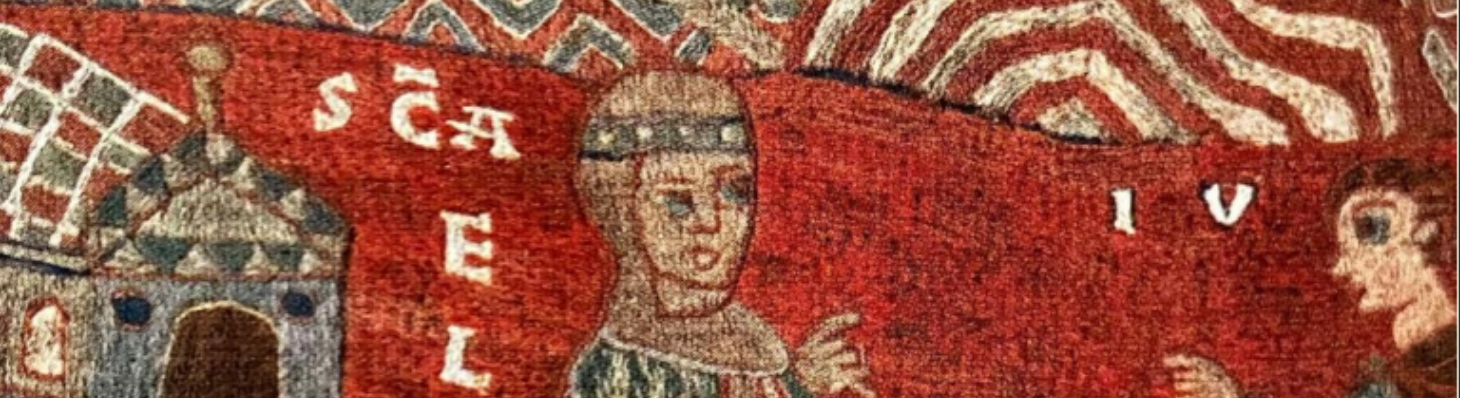
The ‘In Ictu Oculi: In the Blink of an Eye’ exhibit created by Factum Foundation at the Spanish Gallery in Bishop Auckland. Everything on display is a facsimile of an in-situ artwork or architectural element in Spain; these tiles are facsimiles of ceramics in the Casa de Pilatos in Seville, and the ceiling is a replica of Mudejar architectural style. Factum’s exhibit displays these pieces in a new context, whilst retaining the details of the originals.
Belén Jimenez recording Finis Gloriae Mundi by Juan de Valdés Leal with the Factum Foundation’s non-contact 3D Scanner, in the chapel of the Hospital de la Caridad in Seville. This is the first step in the process of creating the facsimile of the artwork. My research will consider how this in-situ hanging of the painting differs from the installation of its facsimile counterpart in the Spanish Gallery.
The facsimile of the above artwork, Valdés Leal’s Finis Gloriae Mundi, installed in the Factum Foundation exhibit in the Spanish Gallery in Bishop Auckland.
Helena Santidrián Mas, Courtauld Institute of Art – £400 for travel to Santiago de Compostela
Two Annunciations from the Museo de la Catedral de Santiago de Compostela reconsidered: iconography, original placement and current display.
The aim of this project is to study two sculptural groups originally placed in the Cathedral of Santiago de Compostela, now held in its museum. One of them was made by a local workshop, the other one in Coimbra and probably brought to Santiago by Saint Isabel of Portugal in 1325. Their location inside the church and its chapels has changed over the centuries. The objective of my research is to reconstruct these location changes and the causes that provoked.
ARTES is delighted to announce our scholars for 2023, with thanks as always to CEEH for their generous support. Further information on our annual scholarships is available here.
Scholarship for students studying for a PhD in the UK: Daniela Castro Ruiz, Durham University
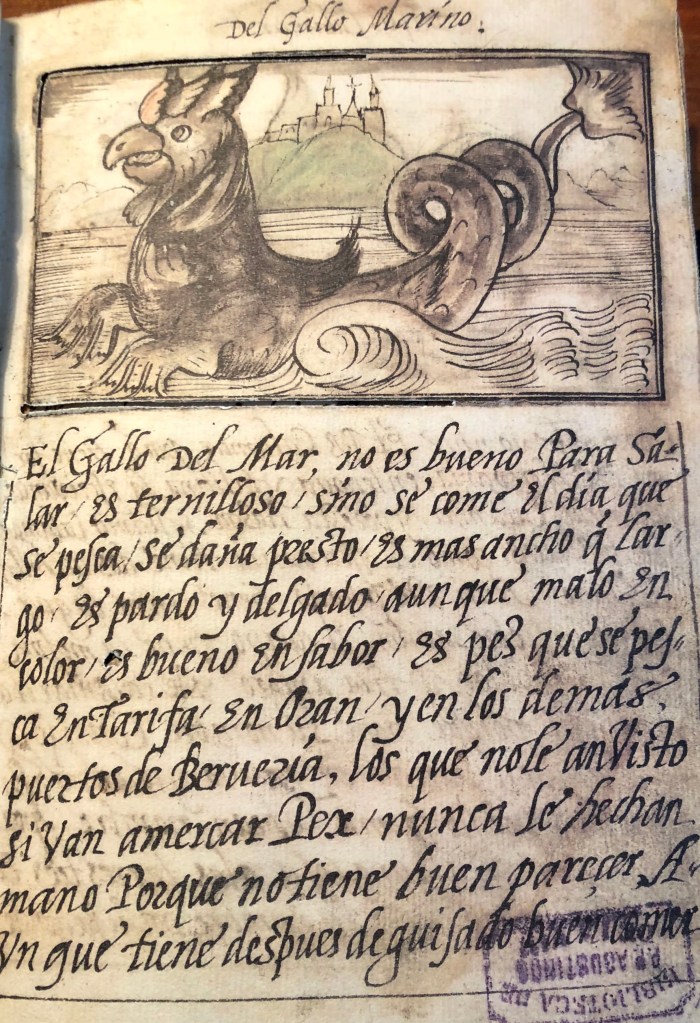
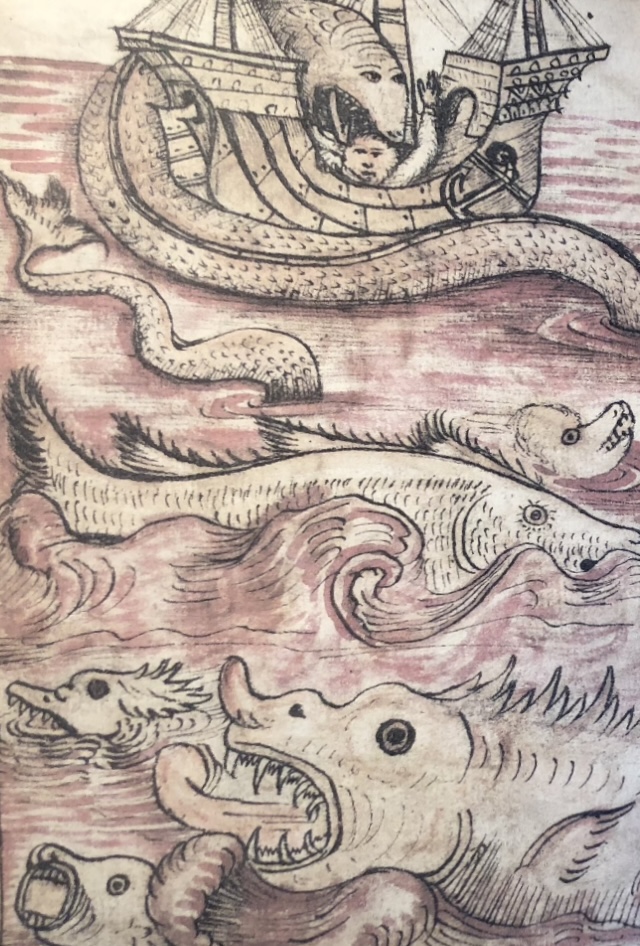
The Bestiario de Don Juan de Austria in the Context of Fifteenth- and Sixteenth-Century Spanish Illuminated Manuscripts
My PhD examines the Bestiario de Don Juan de Austria (c.1570), the only extant bestiary composed in Castilian and the only one that is extensively illustrated, offering depictions of a range of creatures, from the mythical (the unicorn, the phoenix, etc) through to the exotic (the parrot, the hippopotamus, etc) and the everyday (the dog, the dolphin, etc) in a range of natural landscape settings completed by signifiers of society. The aim is to understand the relationship between image and the text, looking principally at questions of visual reception.
Bestiario de Don Juan de Austria. Yuste, Spain c.1570. Printed Fascimile with introduction and commentaries by Alvar, Fradejas-Rueda, Martín-Pérez, Serna-Gómez de Segura and Penedo. Spain: Siloé, 1998. Santa María de la Vid Monastery Library, Burgos, Spain. Folios 11r, 52v, 58r and 150v.
Scholarship for the holder of a PhD from Spain: Dr Emma Cahill, University of Murcia
Portraiture, Gender, and the Construction of the Image of Power in the Beginning of the Royal Collection Trust and the Prado Museum.
This project studies the beginning of the Spanish and British royal collections with a special emphasis on portraiture and gender. Starting with Isabella of Castile and Ferdinand or Aragon and Henry VII and Elizabeth of York, the portrait exchanges between the Tudor dynasty and the Spanish Monarchy were the foundation of the extensive collections amassed by the royal houses of Great Britain and Spain. Women played an important role in this development but have been often overlooked. This study will vindicate their trailblazing role as patrons of the arts in the construction of the image of royal power.
XVI Jornadas Complutenses de Arte Medieval Madrid, October 19th – 20th, 2023 Universidad Complutense de Madrid
During the last decades, references to women’s participation in medieval artistic processes have ceased to be the story of an absence. Similarly, studies of medieval female iconography have transcended their mere representation as wives, mothers, lovers, sinners and sin-inducers, or nuns. Throughout the Middle Ages, women projected, enjoyed and created art; there is no doubt about it. An increasing number of works focus on female patronage, sometimes shared with her husband but often practiced autonomously and with incalculable value as a self-affirmation mechanism. Other proposals highlight female identities hidden among the list of male practitioners of any of the arts or give names to faces represented in sacred and profane episodes. Through the testimonies of material and visual culture linked to women, social realities different from the power relations established in those times are being outlined more straightforwardly and precisely. Even so, artistic studies still lag behind those focused on other disciplines such as history, philosophy or literature.
In its sixteenth edition, the Conference will be devoted to highlighting the role of Women in medieval artistic creation. This role will be understood in the broadest possible way: from patronage to creation and reception, as a channel for power strategies, a transmitter of science or a generator of specific iconographic types, regardless of their active or passive role in all this creative dynamic. Women and Gender will serve as the priority vectors to articulate the scientific content of Conference sessions.
We invite the academic community to submit abstracts in Spanish, English, Italian and French consisting of a 500 words summary highlighting the innovative nature of the paper together with the chosen session and a brief curriculum vitae (max. 300 words) before the 30th of April 2023 to the following address: enfemenino@ucm.es
Proposed topics: ● Women and artistic creation: artists, trades, textiles ● Depictions and portraits, identity ● Female spaces and architecture ● Art and female spirituality ● Patronage and Memory management ● Costume and textile trade ● Cross-cutting gender issues: prostitution, transsexuality, marginalisation, otherness, old-age ● Science, techné, art and women
Confirmed keynote speakers: Verónica Abenza (UCM), Jessica Barker (The Courtauld Institute of Art), Bárbara Boloix (Universidad de Granada), Irene González (UCM), Jitske Jasperse (CCHS-CSIC), Elizabeth L’Estrange (University of Birmingham), Diana Lucía (UCM), Therese Martin (CCHS-CSIC), Ana Maria Rodrigues (Universidade de Lisboa), and Marta Poza (UCM).
The organising committee shall acknowledge receipt of submissions and select those considered most closely aligned with the meeting objectives, responding before the 25th of May. Following peer review, these will be published in a monograph. Scientific-organising Committee: Marta Poza, Elena Paulino, Laura Rodríguez, Alexandra Uscatescu, Irene González, Diana Lucía, Diana Olivares, Verónica Abenza, Ángel Fuentes and Alba García-Monteavaro.
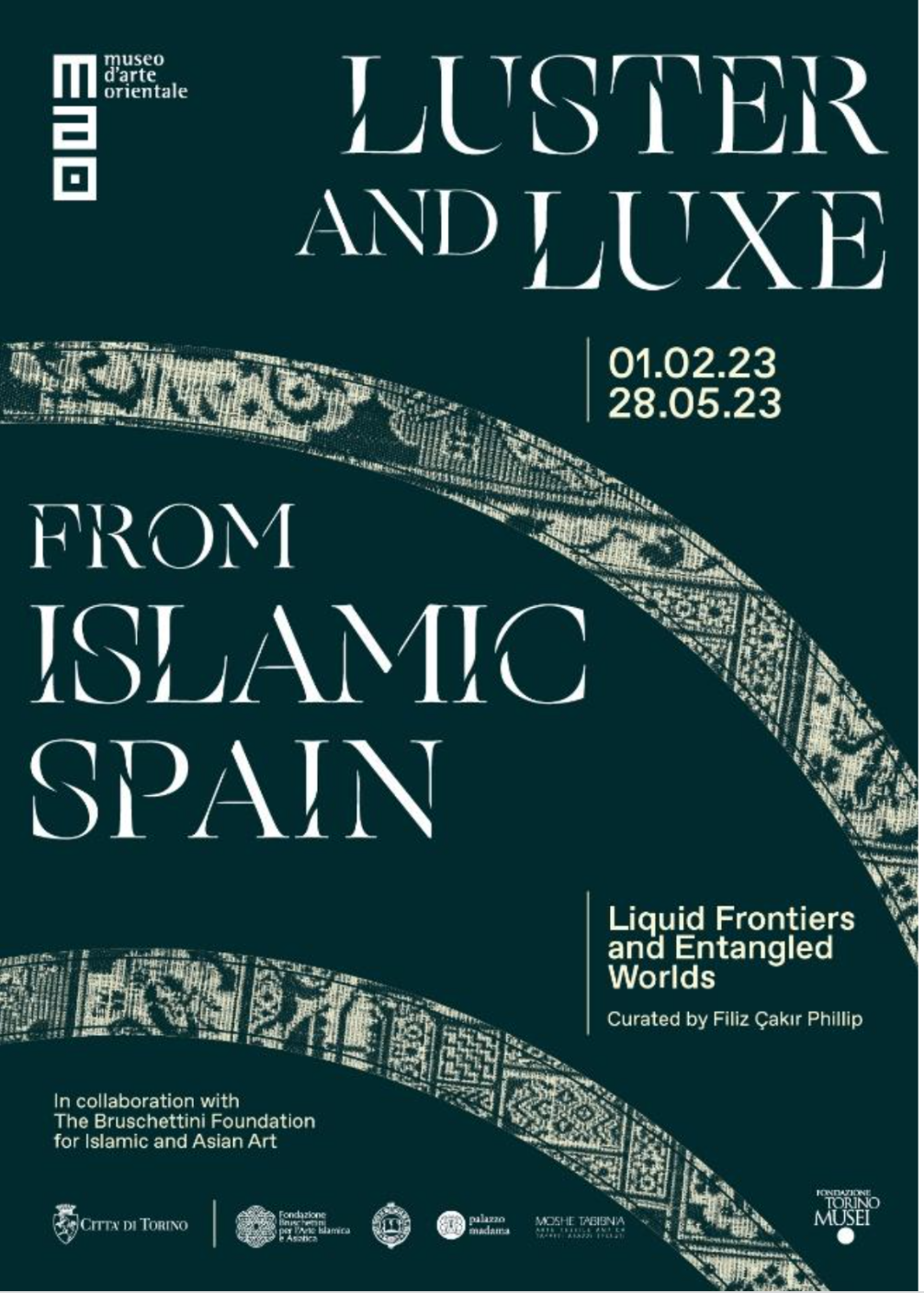
Curated by Filiz Çakır Phillip MAO Museo d’Arte Orientale, Turin February 1st – May 28th 2023
The MAO Museo di Arte Orientale 2023 programme is starting off with a new project devoted to Islamic art and the results produced by its influence over the centuries in Europe and the Mediterranean basin.
A timely exhibition that takes an initial look at a world of immense complexity and beauty: starting from the museum’s permanent collection, Lustre and Luxe from Islamic Spain. Liquid Frontiers and Entangled Worlds puts the accent on the cultural syncretism between the Islamic and European worlds, which finds its ideal synthesis in the Mediterranean area and offers visitors a new perspective on a centuries-long story of artistic and linguistic transformation and influence, and knowledge written in the weave of fabrics and on the gleaming surface of pottery.
Mare Nostrum, Mediterraneus, Mar Bianco, Hayam Hatikhon, Grande Verde: so many names for a place of contact, encounter, exchange, battles and dialogue between different peoples and cultures united by a profound proximity.
The Mediterranean has always exerted a powerful draw that no population has been able to resist: for long centuries, goods, traditions, inventions and discoveries originated or passed through here. Because this is not just a sea and, most importantly, it is not just Europe: it was – and in some ways still is – a possibility with a changeable identity.
That which originates on the shores of the Mediterranean influences by proximity and takes root by necessity, grafting itself onto what already exists and taking new identities and forms. This is what happened with the Arabic language, but most importantly the visual arts, in particular textile and pottery production: different portrayals and techniques for making textiles, carpets and pottery, kept like valuable secrets in the Middle East and North Africa, landed on the Iberian Peninsula together with the conquistadors, almost a ‘collateral effect’ of the centuries-long domination, creating an extraordinary hybrid local output.
The exhibition Lustre and Luxe from Islamic Spainis filling the spaces of MAO’s Islamic Art Gallery with carefully selected works from public and private collections (the Instituto Valencia de Don Juan, Madrid, the Fondazione Bruschettiniper l’Arte Islamica e Asiatica, Genoa, Palazzo Madama – Museo Civico d’Arte Antica, Turin and the Galleria Moshe Tabibnia,Milan), placed in dialogue with those from the permanent collection of the Museo d’Arte Orientale.
Vivid carpets, colourful textiles and lustrous ceramics of varied provenance dating from between the 10th and the 16th centuries that can transport visitors to little-explored territories, open new paths of knowledge and reflection and highlight the relationship between the Iberian Peninsula and Islamic worlds in the context of the Mediterranean.
Mudéjar Carpet Fragment, late 15th – early 16th century, Instituto Valencia de Don Juan, Madrid.
Among the works on view, we would like to single out a fragment of a border of a carpet from the collection of the Instituto Valencia de Don Juan, Madrid, dated between the late 15th or early 16th century and representative of the group of ‘Mudéjar’ carpets with heraldic coats of arms, which must have been particularly splendid. In the band on the left with a blue ground, we find heavily stylised pseudo-Kufic elements that form squares containing a tree or a vase of flowers flanked by stylised birds in alternation with figures of animals, including a rampant lion, a bull and a hare. At the top, we see a depiction, the upper part of which is unfortunately cut off, of a ‘man’ with a dappled red body, covered in fur, holding a kind of shield in one hand and in the other, which we cannot see, probably a sword or a lance, like in other exemplars with the same scene. On the right, we instead find geometric, stylised floral motifs, also on a blue ground, arranged in a grid of lozenges outlined in red.
This extraordinary object will only be on view until 12 February.
From the Fondazione Bruschettini, we instead have two fragments of a wreath carpet, dating to the early 16th century, which together form a circular wreath typical of the group of Alcaraz carpets categorised as ‘Renaissance’ and called ‘coronas’ carpets in Spanish, with a graphic, linear design in three colours – the red of the ground, the green of the decoration and the yellow of the outlines – and a marble capital sculpted in relief from the Umayyad period (second half of the 10th century) attributable to Cordoba, capital of al-Andalus. This highly refined architectural element is embellished with deep, decisive and delicate decorations that reveal expert mastery of carving techniques. The acanthus leaves are an echo of the artistic and technical legacy of late antiquity in combination with the repertoire of artists and artisans of the caliphate. The design of the capital is illustrative of the transition of decorative styles that led to the abstract aesthetic that developed during the early period of the Muslim presence in Spain.
Lustre and Luxe from Islamic Spain is curated by Filiz Çakır Phillip, a specialist in Islamic art, former curator at the Aga Khan Museum, Toronto, and a board member of the Association of Art Museum Curators & AAMC Foundation in New York.
The exhibition is the first fruit of a broader collaboration project with the Fondazione Bruschettini and other public and private collections, including Palazzo Madama and the Aron Collection, which shall culminate in October 2023 with the opening of a major exhibition structured like a trip through time from the Tang period (7th century CE) to the present day, an imagined itinerary from China to the Mediterranean, passing through Central Asia, through the lens of the relationships, exchanges and hybridisation that originated from this movement. The exhibition also hopes to lay the foundations for a consortium of Mediterranean museums to start off an exchange of means and knowledge aimed to facilitate the circulation of works and projects.
Like MAO’s other exhibition projects, Lustre and Luxury from Islamic Spain is a project-in-progress that will evolve over the course of the exhibition and will be enriched with study sessions, talks,performances, rituals and musical events.
The exhibition will be accompanied by a booklet with contribution among others by Cristina Maritano, conservator at Palazzo Madama, and Alberto Boralevi, Florence – available free of charge in the exhibition – and Italian Sign Language videos produced in collaboration with the Istituto dei Sordi, to ensure the complete accessibility of the project.
Lustre and Luxe from Islamic Spainwas born from an idea of the Fondazione Bruschettini shared with the MAO and was made possible thanks to the contribution of Maria Paola Ruffino, curator of Palazzo Madama.
Movements and Transformations in the Making of Iberian and Latin American Art and Visual Cultures Emerging Researchers Symposium Zurbarán Centre for Spanish and Latin American Art (Durham University, UK)
22-23 June 2023
Durham University’s Zurbarán Centre for Spanish and Latin American Art invites doctoral students and early career researchers to submit proposals for presentations at its annual Emerging Researchers Symposium, taking place in Durham between 22 and 23 June. This event aims to stimulate interdisciplinary conversations between international postgraduate students and early career researchers working on Iberian and Latin American art and visual cultures. It offers an opportunity for participants to discuss work-in-progress projects, to receive feedback, to learn about new research being carried out by colleagues, and to engage with leading keynotes given by established scholars and curators. The event will also offer opportunities to explore the significant holdings of Spanish art in County Durham.
We welcome proposals for 20-minute presentations focusing on the theme of ‘Movements and Transformations in the Making of Iberian and Latin American Art and Visual Cultures’. Proposals may relate to any aspects and periods of Iberian and Latin American art and visual cultures. Suggested topics may include (but are not limited to):
➢ The physical movements or migration of artists, artworks, materials, theories between different art worlds. ➢ The transformative power of art in political, religious and cultural debates and discourses. ➢ Polemics in artistic reception and thought, and the work of later generations in rethinking and reimagining artistic cultures of the past. ➢ The appropriation and repurposing of images and motifs to create works for new audiences and different communities. ➢ Innovation in artforms and techniques.
Organised by Durham University doctoral students, the symposium will be held as a hybrid event in Durham for in-person and remote attendees. We encourage speakers to attend in person as the event will include multiple opportunities for intellectual exchange and networking and visits to local collections, such as The Spanish Gallery in Bishop Auckland and the Bowes Museum. We are not however in a position to support travel or accommodation costs.
Please send a 250-word abstract and a brief biography as a word document to pg.zurbarancentre@durham.ac.uk by Thursday 13th April 2023, with the title Your Name-ERS2023- Proposal. Please also indicate whether you intend to attend the symposium in person or remotely. If you have any queries regarding the submission process, please do not hesitate to contact with us using the email provided.
published by the Real Academia de Bellas Artes de San Fernando, the CEEH and the Instituto Ceán Bermúdez; 2021
ARTES would like to extend a warm congratulations to Dr. Claudia Hopkins, an active member and the inaugural winner of the 2023 Jonathan Brown Award for her work Romantic Spain: David Roberts and Genaro Pérez Villaamil, a richly illustrated catalogue that accompanied an exhibition of the same name at the Real Academia de Bellas Artes de San Fernando (2021 – 2022).
A comprehensive study on the relation between Roberts and Pérez Villaamil, the publication combines an impressive array of around 120 objects and critical scholarship by twelve contributors. At once a thorough and nuanced examination of artistic and archival material, the catalog offers an important critical revision of Iberian Orientalism.
Dr. Claudia Hopkins is Professor and Director of the Zurbarán Centre for Spanish and Latin American Art at Durham University. Before joining Durham in 2020, she was Senior Lecturer in History of Art at the University of Edinburgh and co-editor of the Getty-funded journal Art in Translation. Her research focuses on nineteenth- and twentieth-century Spanish art and Anglo-Spanish cultural relations. In 2009, she made substantial contributions to the exhibition The Discovery of Spain: British Artists and Collectors. Goya to Picasso, National Gallery of Scotland. She is author of articles, book chapters and edited volumes, a.o. Pascual de Gayangos: A Nineteenth-Century Spanish Arabist (2009, with C. Álvarez-Millán), Orientalism and Spain (with A. McSweeney, 2017), Hot Art, Cold War (2 vols., 2020, with I.B. Whyte). Her monograph The Orient Within: Spanish Art and Identity 1833-1956 is forthcoming.
Wednesday, Feb. 22, 4:00–5:30pm (EST) / 9:00 – 10:30pm (GMT) A Zoom Lecture by Dr. Pamela Patton, Princeton University Zoom Hosted by by Montclair’s Medieval and Early Modern Studies Seminar.
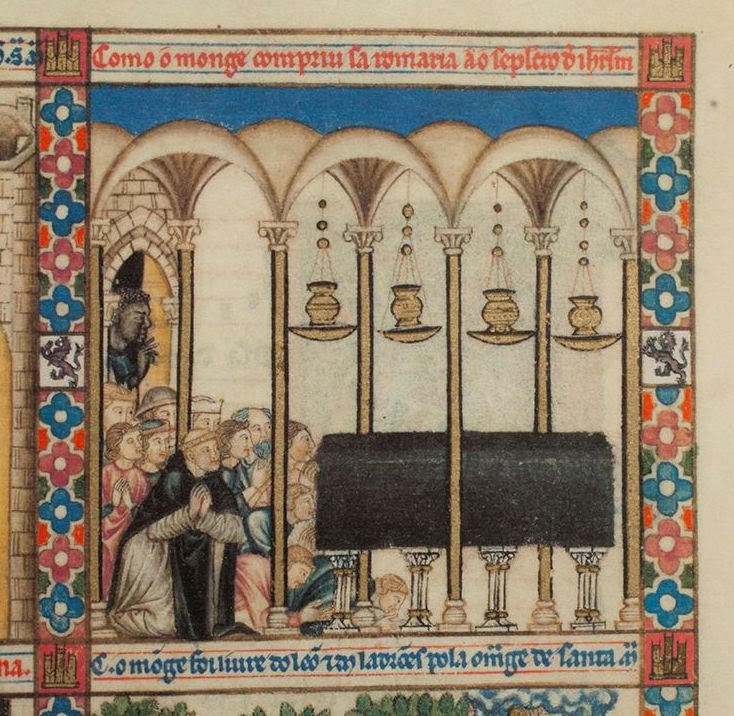
Pilgrims at the Holy Sepulcher Detail of illustration for Cantiga 9, Cantigas de Santa María (RBME, MS T-I-1), fol. 17r.
A Lecture by Dr. Pamela Patton, Princeton University
An art historian of medieval Spain and its environs, Dr. Patton’s particular research interests focus on the role of the image in articulating cultural identity and social dynamics among the multiethnic communities of the Iberian Peninsula. Among Dr. Patton’s many publications are two monographs, Pictorial Narrative in the Romanesque Cloister (2004) and Art of Estrangement: Redefining Jews in Reconquest Spain (2012).
Rosa M. Rodríguez Porto, “The library of the Marquis of Santillana (d. 1458) and the cultural networks of the European Renaissance”.
Don Iñigo López de Mendoza, Altarpiece of Buitrago, Jorge Ingles, c.1455
The talk relates to the exhibition El Marqués de Santillana: Imágenes y letras (Museo Nacional del Prado and the Biblioteca Nacional de España, Oct. 2022- Jan. 2023) and will focus on the books commissioned by Íñigo López de Mendoza, Marquis of Santillana, one of the most prominent figures of early Castilian Humanism. Although the relevance of his library was already acknowledged in a pioneering study by Mario Schiff (1905), art historians have tended to pay more attention to the manuscripts produced for Santillana in Castile. And yet, the books he acquired or commissioned in France and most notably in Italy, allow us to reconstruct the dense network of political, family and cultural connections behind his eclectic patronage, and to understand how his leading role in the introduction of new visual languages in Castile granted him a towering position among the other Castilian magnates.
About the speaker:
Rosa M. Rodríguez Porto is Ramón y Cajal Fellow at the University of Santiago de Compostela and Adjunct Associate Professor at the Faculty of Humanities of the University of Southern Denmark. She has worked extensively on late medieval book illumination, medieval Iberian courtly art and the classical tradition in the Middle Ages. Her latest publication is “La biblioteca del Marqués de Santillana “, for the catalogue of the exhibition El Marqués de Santillana: Imágenes y letras, shown at the Museo Nacional del Prado and the Biblioteca Nacional de España, Oct. 2022-Jan.2023.
To join the seminar, please click on this zoom link (or copy and paste it into your browser ) –
















 ARTES
ARTES 