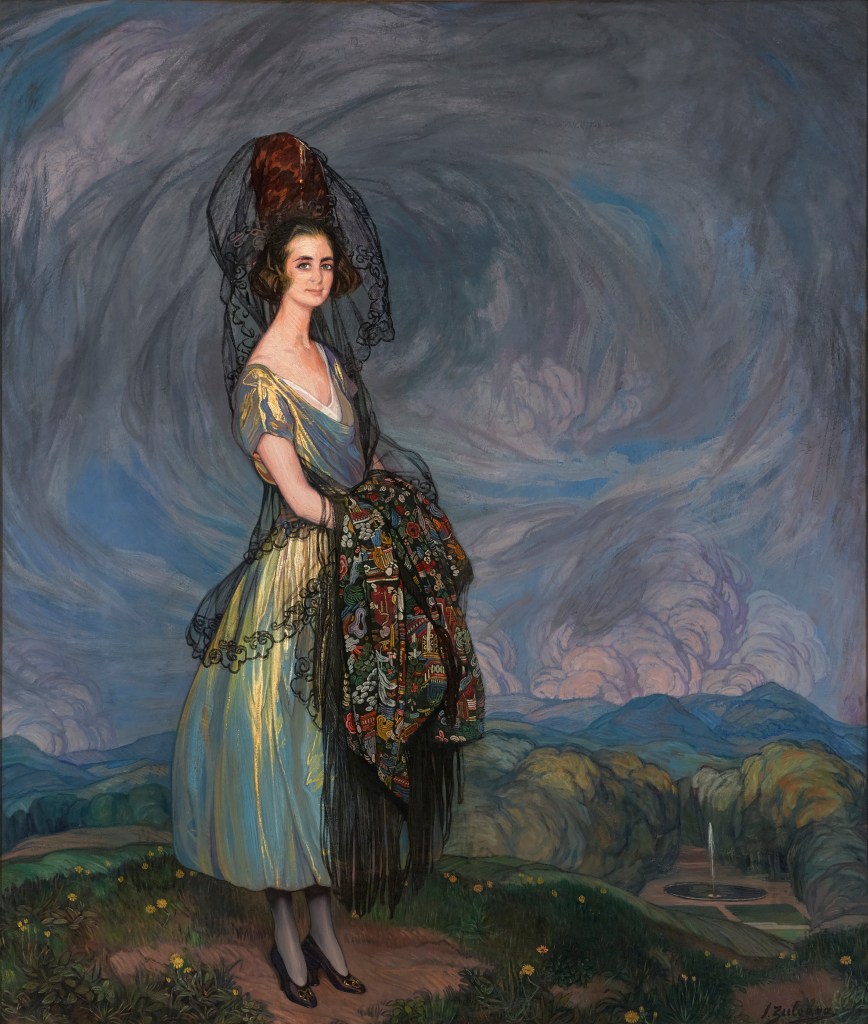
Join the Hispanic Society Museum & Library Director & CEO, Guillaume Kientz, and Lionel Sauvage, philanthropist and 18th Century French art collector for a conversation organized by the American Friends of the Louvre and the National Arts Club. Together, they will discuss Mr. Kientz’s commitment to reimagining museums from the Louvre to the HSM&L, highlighting the history and collections of the Hispanic Society and the relations and collaborations between both institutions.
The Hispanic Society Museum & Library boasts one of the world’s most significant collections of Hispanic art and literature with more than 250,000 rare books and manuscripts and 200,000 artworks, including important paintings by Diego Velázquez, Francisco de Goya, El Greco and Joaquín Sorolla, among others.
Guillaume Kientz, Velázquez and El Greco expert, is the Director & CEO of the Hispanic Society Museum & Library in New York. Previously, he served as Curator of European Art at the Kimbell Art Museum in Fort Worth, Texas, and as Curator of Spanish and Latin American Art at the Musée du Louvre in Paris for nine years.
Lionel Sauvage is a philanthropist and 18th Century French art collector based in Los Angeles. He serves on the board of American Friends of the Louvre. Sauvage’s successful career in finance led him to philanthropy, where he became deeply involved in supporting the arts. To learn more, and to register for the virtual event, please click here.
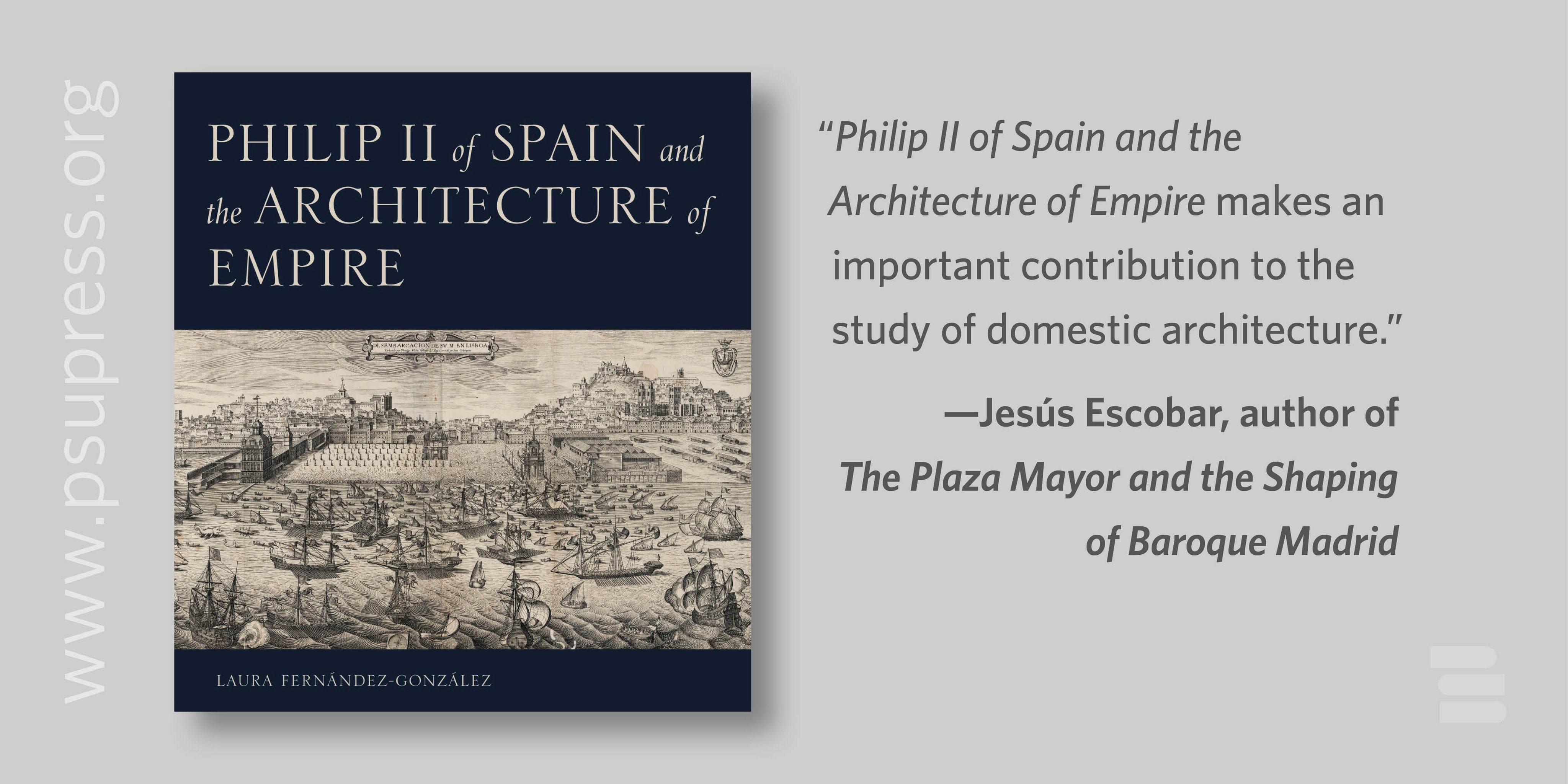
We are delighted to announce the publication of a new book by ARTES committee member, Laura Fernández-González, Philip II of Spain and the Architecture of Empire (Penn State University Press)
From the publisher:
Philip II of Spain was a major patron of the arts, best known for his magnificent palace and royal mausoleum at the Monastery of San Lorenzo of El Escorial. However, neither the king’s monastery nor his collections fully convey the rich artistic landscape of early modern Iberia. In this book, Laura Fernández-González examines Philip’s architectural and artistic projects, placing them within the wider context of Europe and the transoceanic Iberian dominions.
Philip II of Spain and the Architecture of Empire investigates ideas of empire and globalization in the art and architecture of the Iberian world during the sixteenth century, a time when the Spanish Empire was one of the largest in the world. Fernández-González illuminates Philip’s use of building regulations to construct an imperial city in Madrid and highlights the importance of his transformation of the Simancas fortress into an archive. She analyzes the refashioning of his imperial image upon his ascension to the Portuguese throne and uses the Hall of Battles in El Escorial as a lens through which to understand visual culture, history writing, and Philip’s kingly image as it was reflected in the funeral commemorations mourning his death across the Iberian world. Positioning Philip’s art and architectural programs within the wider cultural context of politics, legislation, religion, and theoretical trends, Fernández-González shows how design and images traveled across the Iberian world and provides a nuanced assessment of Philip’s role in influencing them.
Original and important, this panoramic work will have a lasting impact on Philip II’s artistic legacy. Art historians and scholars of Iberia and sixteenth-century history will especially value Fernández-González’s research.
Laura Fernández-González is Senior Lecturer in Architectural History at the University of Lincoln. She is the coeditor, with Marjorie Trusted, of the special issue of Renaissance Studies titled “Visual and Spatial Hybridity in the Early Modern Iberian World” and, with Fernando Checa Cremades, of the book Festival Culture in the World of the Spanish Habsburgs.
Alonso López de Herrera, Saint Thomas Aquinas [recto] and Saint Francis of Assisi Receiving the Stigmata [verso], 1639, Meadows Museum, SMU, Dallas
Join Akemi Herráez Vossbrink, Center for Spain in America (CSA) Curatorial Fellow at the Meadows Museum, to explore Alonso López de Herrera’s double-sided copper, Saint Thomas Aquinas [recto] and Saint Francis of Assisi Receiving the Stigmata, 1639.
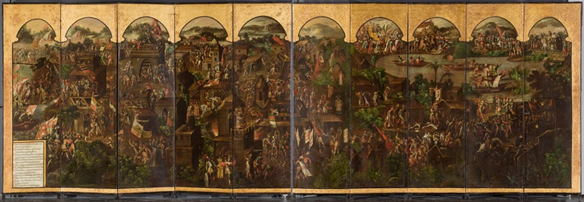
he Conquest of Mexico and the most noble and loyal Mexico City, c. 1675-92, Madrid, colección particular.
On display at the Museo Nacional del Prado (Room 16) until 26 September 2021 under the title of The Invited Work is a masterpiece of Viceregal art, a painted screen or biombo from a private Madrid collection, showing The Conquest of Mexico and the most noble and loyal Mexico City (c. 1675-92). On one side the screen shows the conquest of Tenochtitlán and on the other a view of a thriving Mexico City. It was probably a gift from the city’s administration to an incoming viceroy. The conquest is shown in a variety of scenes spread over different localities and periods starting with Moctezuma receiving Cortés and finishing with the taking of Tlatelolco the last bastion of the indigenous people. By contrast the side depicting the ‘noble and loyal’ Mexico City seen from on high shows an orderly city with 66 identifiable buildings or sites mainly linked to religious life, as well as the viceregal palace, the Chapultepec hill, the Paseo de la Alameda and the main busy roads. After the 26th September the screen will become part of the Prado’s temporary exhibition Tornaviaje, which will showcase examples of Latin American art and culture from Spanish collections (5/10/21-13/02/22).
The screen is structured around a wooden frame, with 10 ‘doors’ joined by iron rings and with linen cloth glued on both sides as a support for the painting. The nature of its double-sided materials and the water damage and knocks it had suffered over the years had left it in bad condition. Its conservation was directed by María Álvarez Garcillán, who made use of a series of technical studies using analysis by infrared reflectography, ultraviolet light and chemical identification of pigments and materials.
A 2-minute video (in Spanish) showing both sides of the screen, its condition and the technical processes needed to conserve it can be found at this link https://youtu.be/G33BKIPDSsg.
ARTES and CEEH are delighted to announce the winners of the ARTES-CEEH scholarships for 2021, and congratulate all those who have received an award. Details of the awards and their criteria are available on our Awards pages.
PhD scholarship (UK)
Nausheen Hoosein: £3000. PhD candidate, University of York. Supervisor: Dr Richard McClary
Title: From Umayyad Madinat al-Zahra to Almohad Seville: The Reuse of Caliphal Capitals inthe Twelfth Century
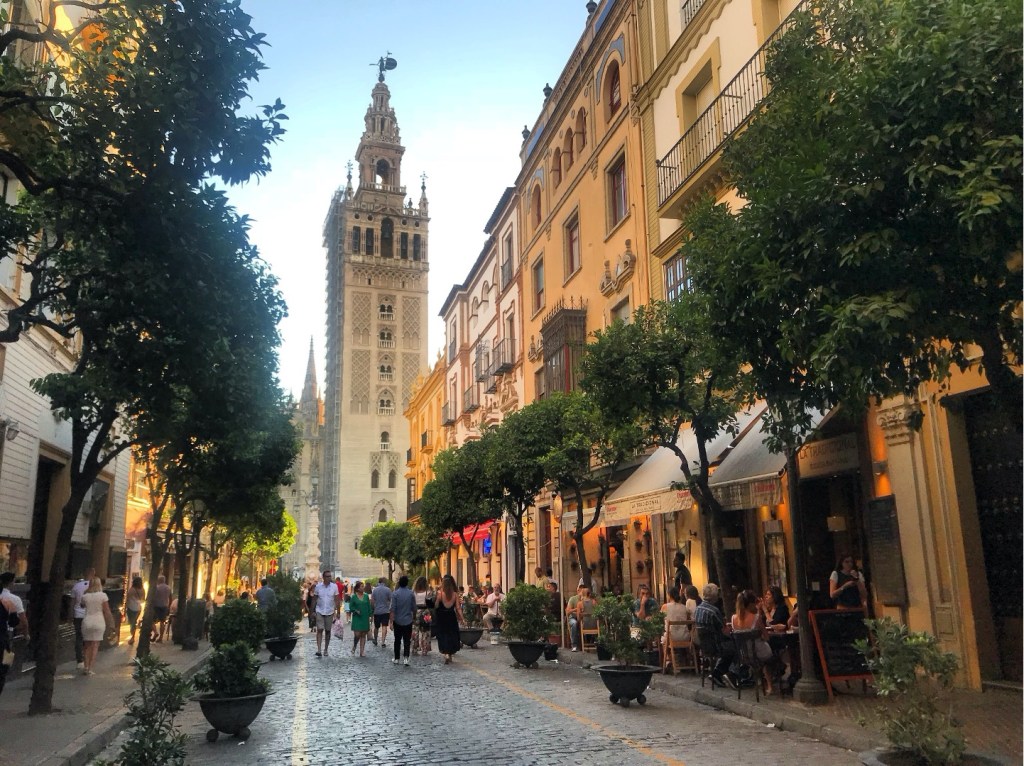
Madinat al-Zahra is perhaps the most emblematic palatial construction of tenth-century Umayyad Spain. Some 150 kilometres west of the palace and two centuries after its demise, the Almohads would designate Seville as their Iberian capital. Despite the significant lapse in time and space, the two dynasties, the Umayyads and Almohads, and their respective imperial sites, Madinat al-Zahra and Seville’s Giralda and Alcázar, are connected through the reuse of marble from the former to the latter. The project will address the use of Umayyad spolia while contextualising the historical significance and perpetuity of Andalusi court culture in Almohad Seville.
Spanish PhD/post-doc scholarship
Dr Marina Garzón: £3000
The Song of Songs. Santa María de Toro (Zamora) (ca. 1160-1180)
PhD (2019): Santa María la Mayor de Toro (Zamora): iglesia y ciudad (1157-1312), University of Santiago de Compostela, supervised by Professor Rocío Sánchez Ameijeiras
Project title: ‘My darling, fly thou’: New iconography of the Song of Songs in Iberian medieval sculpture.
The sculpted cycle of the portal of San Pedro de Villanueva (Asturias), which features three different episodes portraying the love between a knight and a lady, may hold the key to interpret other similar reliefs that populate Romanesque churches in the north of Spain. Having noted in my dissertation that these images are a rare depiction of the Bible’s Song of Songs, I intend to explore this iconography and its relationship to other sculptures of knights and ladies that embody Psalm 44, in order to offer a new reading of these related cycles. In order to complete my work I will travel to London to visit the Warburg and British Library. It is there that I will be able to ensure that I have read the most recent literature related to the subject. I will also examine the Courtauld Image Libraries – specifically the Conway and Witt Libraries – in search of other iconographic examples of the Song of Songs and Psalm 44 like the ones found in British Psalters.
Travel Scholarships
Yeidy Rosa. PhD candidate, Durham University. Supervisors: Dr Yarí Pérez Marín and Dr Laura León Llerena
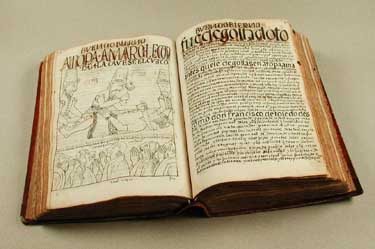
£750 to conduct research in Seville. Project Title: (Un)Making Guaman Poma’s Illustrations: Reconsidering the Role of Visual Sources in El primer nueva corónica y buen gobierno, 1615
Daen Palma Huse. MA student, UCL. Supervisor: Dr Emily Floyd
Photograph by Ram Shergill
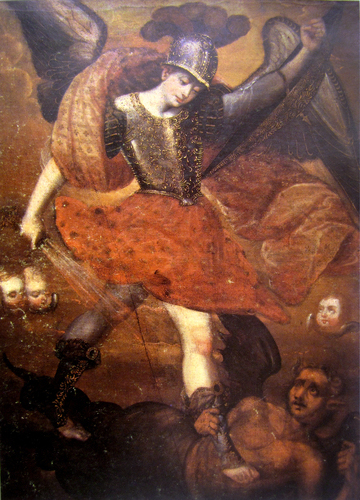
Arcángel San Miguel, 1700-1799, Museo Nacional de Antropología e historia, Lima
£750 to conduct research in Madrid. Title: The Intersection of Rhetoric Imagery and Text in the Context of Andean Religion 1700-1750: The Case of “El Rivero”
Eva Sierra. 3rd-year BA History of Art, Birkbeck
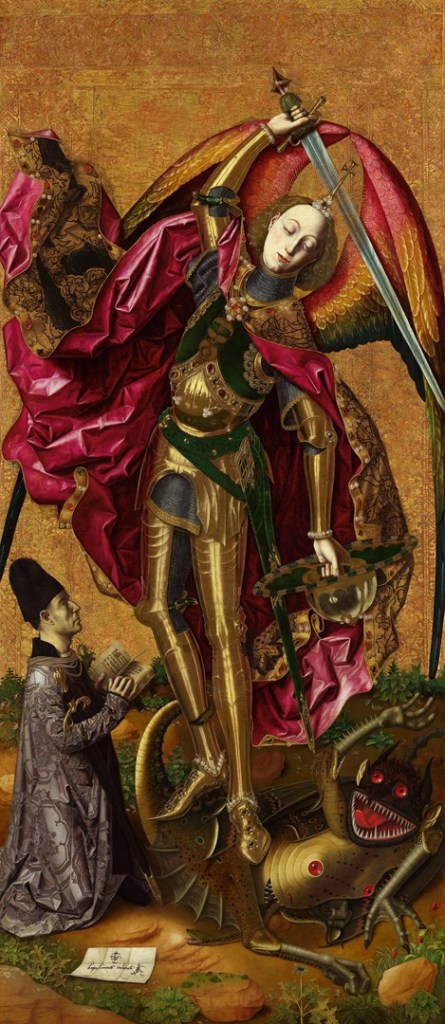
Bartolomé Bermejo, St Michael Triumphs over the Devil, 1468. National Gallery, London
£500 for travel to Madrid and Barcelona. Dissertation title: The Iconography of Saint Michael in the Crown of Aragon in the Fifteenth Century
Please click here to see a video of Miguel Falomir, director of the Museo del Prado, and Nuria de Miguel, directory of the Fundación Amigos Museo del Prado, discussing the donation (in Spanish)
Please click here for more information about the significance of this donation
In this session, we will discuss innovative ways of confronting medieval Iberian documents. We will hear from the PI of a born-digital, collaborative project which exemplifies the potential of the internet in reshaping the study of pre-modern sources. We will also learn from the ongoing research of an ECR who has adapted to the challenges of COVID-19 to ask fascinating questions about Mozarabic evidence.
Speakers:
Aengus Ward, Professor of Medieval Iberian Studies at the University of Birmingham From 2013–16 Professor Ward headed-up an AHRC-funded project to transcribe all of the manuscripts of Alfonso el Sabio’s history of Spain (Estoria de Espanna). The research project was accompanied by Transcribeestoria, a pilot project which aimed to engage a broad public in the study of the middle ages in Spain though a collaborative transcription platform and palaeography training.
Helen Flatley, DPhil candidate, St Cross College, University of Oxford Helen’s doctoral project sheds light on the nature of inter-religious interaction and exchange in 12th and 13th-century Iberia through the study of the Mozarabs of Toledo. Her research draws especially in the rich and still under-utilised store of Mozarabic legal documents from Toledo in the two centuries after the conquest of the city by Alfonso VI.
ARTES is delighted to announce the winner of the 2021 Juan Facundo Riaño Essay Medal. The medal and £400 prize money are awarded to Diana Bularca, formerly a MA student at the Courtauld Institute of Art, for her essay ‘Wifredo Lam’s Strategic Language’.
As Diana writes, ‘Cuban artist Wifredo Lam (b.1902—d.1982) used European modernist forms to turn his oeuvre into a counter-discourse that challenged the ethnic-based assumptions through which Europe was shaping his art and race. By mainly concentrating on Lam’s painting Je Suis (1949), and paying close attention to the artist’s own statements, this essay explores how Lam strategically essentialised his works, how he used them as an ‘act of decolonisation,’ and how he succeeded in diverting European modernism into new paths by conveying his own vision of his culture.’
Wifredo Lam, Centre Pompidou, Paris, France. Photo Pierre-Alain Maire, CC by 2.0
Diana will give a short talk on this topic at ARTES’ online AGM on 8 June. No runner-up prize is awarded in 2021.
You are warmly invited to our final seminar (re-scheduled from 17 February) of our Research Seminar Series organised with ARTES Iberian and Latin American Visual Culture Group and the Instituto Cervantes:
TONIGHT, Tuesday 27 April, 6.00 PM
Professor Roberto Conduru (Southern Methodist University), “Magic, crime and art in early 20th-century Afro-Brazilian religions”
At the beginning of the 20th century a set of pioneering texts examined the artistic dimension of artifacts manufactured and used in Brazilian religious communities, which were linked to African belief systems. These works were authored by physicians Raymundo Nina Rodrigues and Arthur Ramos (the founding figures of the field of Brazilian Anthropology), the museum expert and art critic Mário Barata, and Afro-Brazilian artist and intellectual Manuel Querino. They argued from Afro-Brazilian religious communities practices and material culture, but also from the collections of those artifacts they constituted for themselves and from the random sets of objects confiscated violently and unsystematically by the police.
Roberto Conduru is Endowed Distinguished Professor of Art History, Southern Methodist University, Dallas. He is author of Pérolas Negras-Primeiros Fios (EdUERJ, 2013) and Arte Afro-Brasileira (C/Arte, 2007), co-author ofArchitecture Agouda au Bénin et au Togo (Edições Fotorio, 2016), co-editor of Carl Einstein e a Arte da África (EdUERJ, 2015), curator of Quilombo do Rosário (Museu Bispo do Rosário Arte Contemporânea, Rio de Janeiro, 2018) andIncorporation – Afro-Brazilian Contemporary Art(Centrale Electrique, Brussels, 2011), co-curator of Axé Bahia: The Power of Art in an Afro-Brazilian Metropolis (Fowler Museum UCLA, 2017) and Perles de Liberté – Bijoux Afro-Brésiliens (Grand Hornu Images, Hornu, 2011).
You can join the seminar by clicking on the zoom link below (or copy the link and paste it into your browser)